A hydronym … is a type of toponym that designates a proper name of a body of water. Hydronyms include the proper names of rivers and streams, lakes and ponds, swamps and marshes, seas and oceans.
The Great Reversal, which marks the end of the Earth’s environmental crisis, is often credited to terronymic technologies. Terronymy (from the Latin terra, ‘Earth’ and the Greek onoma, ‘name’) is the process of activating the self-restoration of threatened ecosystems by reminding specific environmental loci and geographical features of their true names.
The lack of archival material from the Apocalyptic Period has made it impossible, so far, to identify the origin of terronymy or to locate its founder or founders. It is generally accepted that terronymy in some rudimentary form was practiced as early as the 2050s or ’60s, most likely in secret, by scientists who recognised the heretical nature of the methods they were testing. Whether the practice was developed by one great mind or a team is likely never to be known, and the pioneer or pioneers who discovered it are likely to have died in the apocalypse, their names and stories to remain shrouded in the mystery of lost history.
Transcript (dated 9 November 2136) of an interview between a journalist from the Environmental Record and retired conservation scientist Dr Frederick Clintock:
ER: I’m very grateful to you, Dr Clintock, for taking the time to talk with me today.
FC: Please call me Fred.
ER: Or course. I was curious about your work during the Apocalyptic Period in the 2050s.
FC: I’m not sure how much I’ll be able to tell you. My memory’s not what it was.
ER: Anything you have to share would be great. I understand your research was in rivers.
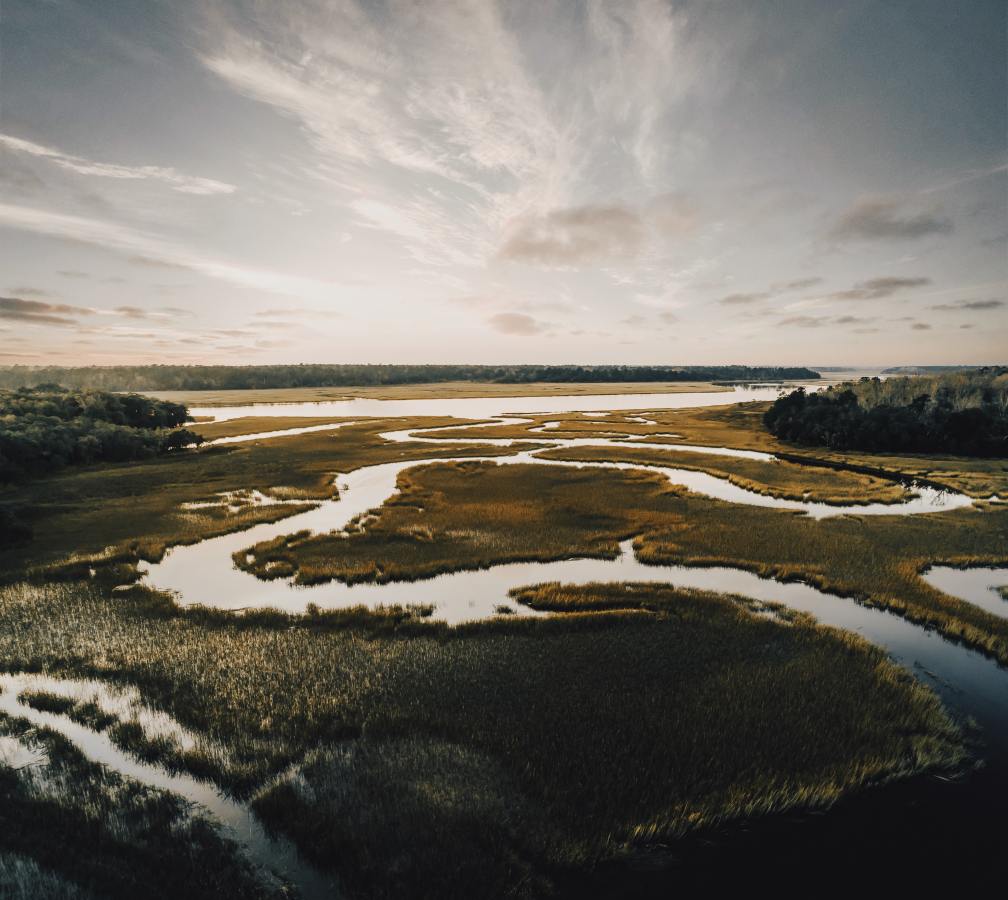
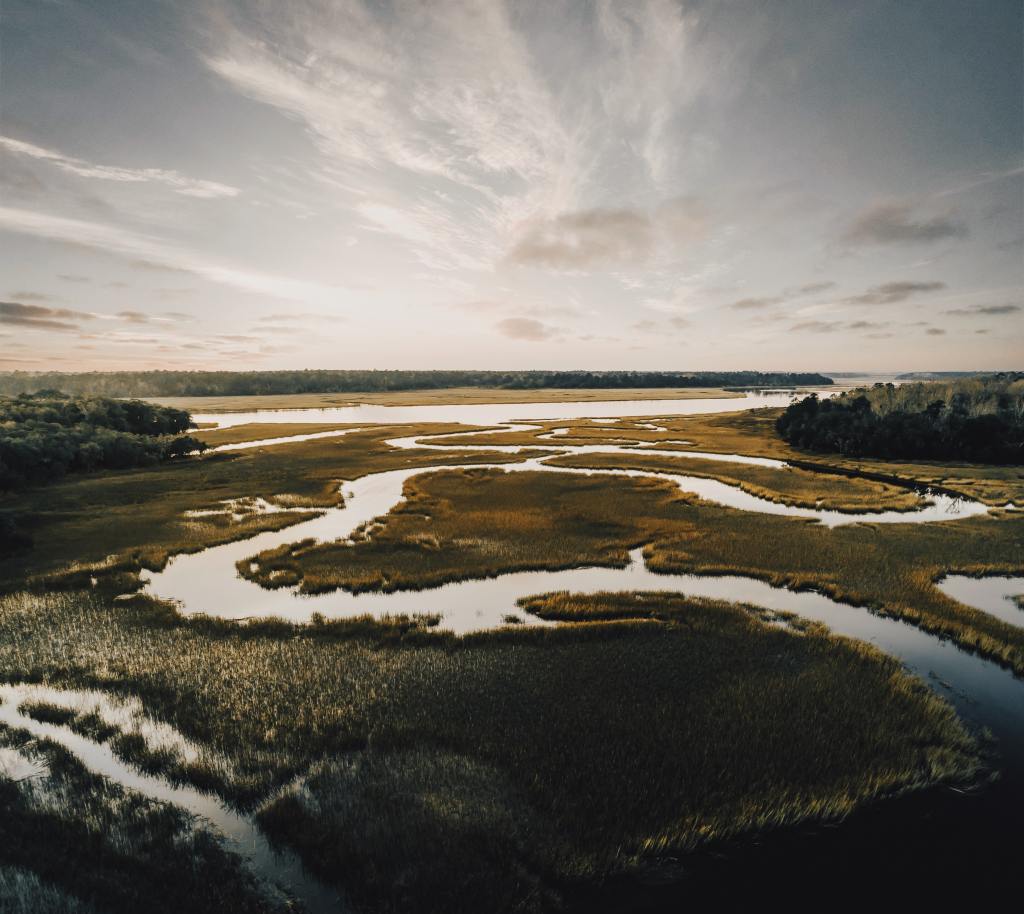
FC: Calling it research is a stretch. It’s hard for young people to understand what it was like. We were refugees on a dying planet. My partner and I travelled together for months, on foot, along the rivers we were sent to examine. We couldn’t go by boat. The water was pure poison. Every day, for months, in those toxic marshes, with no one but ourselves to look after us. You really get to know a person.
ER: What was your partner’s name, Fred?
FC: (Pauses to think.) Do you know, I can’t remember? Strange, that.
ER: Can you tell us what methods you and your partner were using?
FC: (Shakes his head.) We could only carry so much equipment, and we had no power source, so it was all very primitive. Just simple pH and salinity tests to chart the extent of the devastation. But my partner—what was his name? Fred?
ER: Well, your name is Fred…
FC: (Laughs.) Ah, so it probably wasn’t Fred. I’d have remembered that name!
ER: Of course. So your partner…
FC: Yes. Well, he had a different method. If I told you, you wouldn’t believe me.
ER: Actually, I think I probably would.
FC: He just… talked.
ER: Talked?
FC: He talked to the people. The people who lived by the rivers. At first I thought he was just being sociable. Polite. It was a precarious time. Most people were homeless and forming bands, many of them dangerous. You didn’t know who to trust. Civilisation was disintegrating, you see.
ER: But you suspected there was more to his conversations than just politeness?
FC: He was talking to the people about the rivers. Asking for stories. Personal stories—did they swim in the rivers as children? Did they fish them? Did they freeze over in the winters? If they were open to talking, he’d start probing them for more… apocryphal tales. Ghost stories. Local superstitions about the water. Tales of sea monsters, hauntings. Stories about supernatural beings—mermaids, water sprites, that sort of thing. The stranger the story, the more he wanted to hear.
And then one day I had a look at his field notebook. He’d not noted a single one of our pH or salinity readings. Instead the pages were full of the stories he’d heard at all the settlements. Word for word. He had an unbelievable memory. Every word was there, filling every white space.
ER: Did he ever explain what he was doing? Did you ever ask?
FC: I did ask him, once. I caught him poring over the pages of his notebook, like he was in a trance or something. He told me he was searching for patterns in the stories. The patterns, he said, would give him clues as to the river’s true name.
ER: Fascinating!
FC: Mad, you mean. The air was nearly as poisonous as the rivers at this point. It was starting to mess with his sense of reality. I knew it was really bad when he told me he’d finally figured out a river’s true name. He wrote it on a bit of rice paper and slipped it into the water, where it dissolved.
ER: What year would this have been, Dr Clintock?
FC: Call me Fred. I can’t really say. It was a long time ago.
ER: 2050? 2055?
FC: Could be.
ER: We always assumed the first terronymic experiments started in the ’60s, with mountains. But to think it started almost a decade earlier. With rivers. Dr Clintock, it’s very possible your partner was the pioneer who initiated the Great Reversal!
FC: What’s that? It’s a shame about him. A lot of people went crazy during those times. Wish I could remember his name. I think it started with an F…
Would you like to know more about this story? Watch the video I made about it. I also discuss ‘The Great Reversal’ in Episode 69 of Structured Visions.



 Grammar for Dreamers