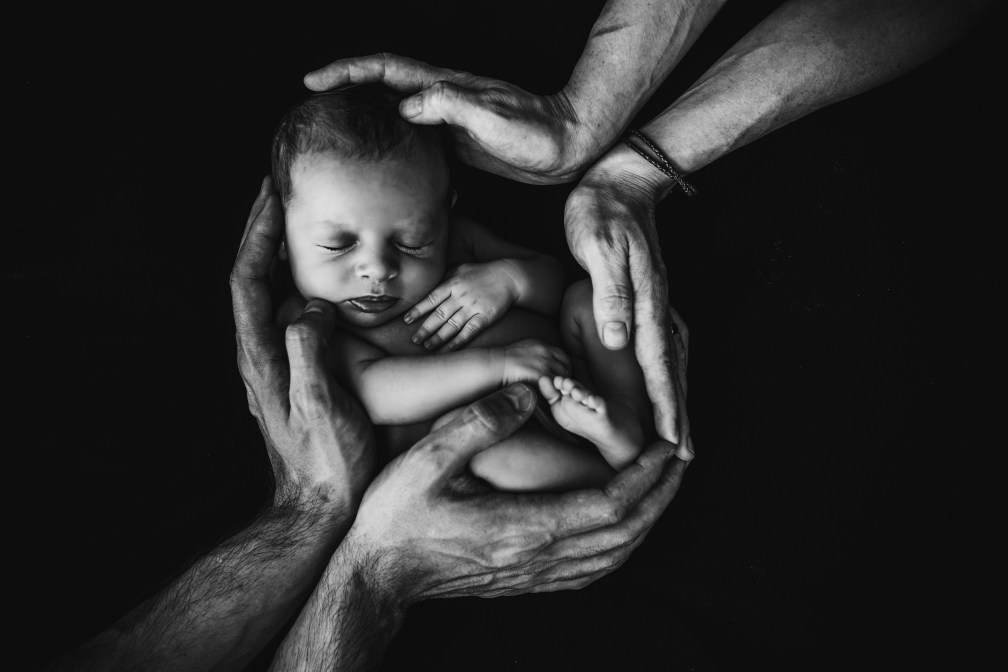
Greyscale photo of a baby being held by two pairs of hands.

Bubble

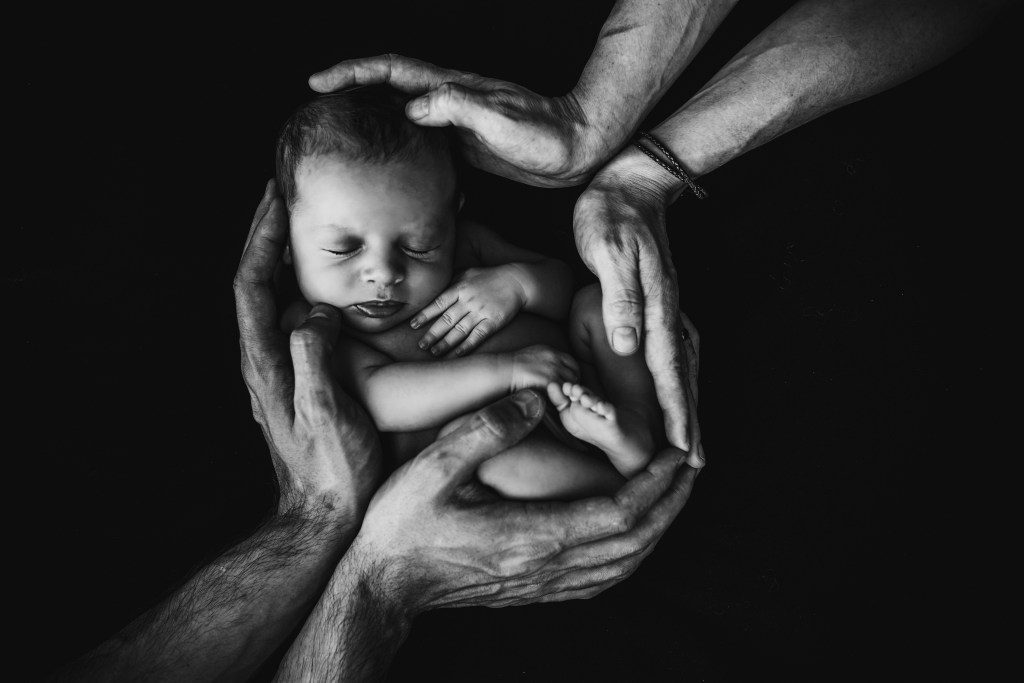
Greyscale photo of a baby being held by two pairs of hands.
Photo by Isaac Quesada

If the Heavens and the Earth were created in six days, human language came about 40 weeks later, when Eve watched the colostrum bubble emerge from her baby’s lips and saw that it was good. Exquisite emptiness encapsulated in a nutrient-rich spherical membrane, a miracle of separation. It burst with the babe’s first bilabial plosive.

‘Ba. Ba.’

‘Bubble,’ said Eve, in imperfect mimicry of her divine child. Fatty films of language formed round their souls like swaddling cloth.


Would you like to know more about this story? Sign up to the Grammar for Dreamers newsletter to get monthly updates on the ideas that inspire my work.
Beginning

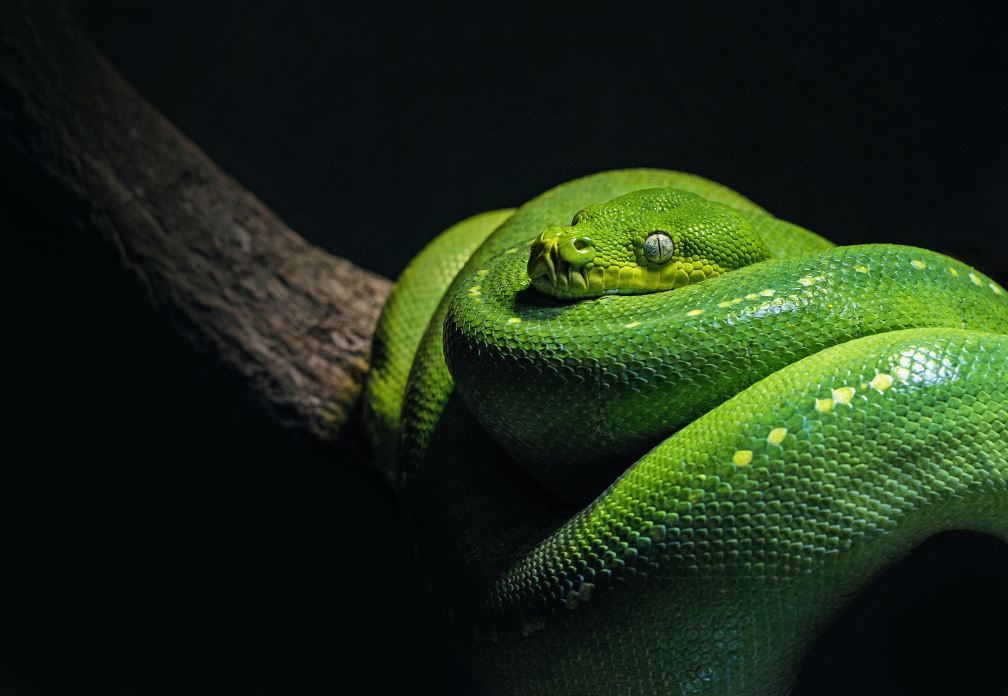
Green snake coiled around a tree branch
Photo by David Clode

In the beginning language was a garden.

Adverbial seedlings pressed to skywardly split the rocky infinitives. It was a cleft construction, that ravine, which brought forth the progressive aspect of waterfall, which was flowing, which was churning, which was bursting with verbal enthusiasm.

Its mist kissed the brave budding morphemes, fixed on stems and roots of meaning, deriving new ideas from the loamy depths of a forgotten protolanguage.

A snakelike syntax stretched around human bodies to make membranes of personhood. Possessive determination shaped our infamous expulsion. What was never our garden before was even less our garden now, so we left to shape a new language, a new beginning.