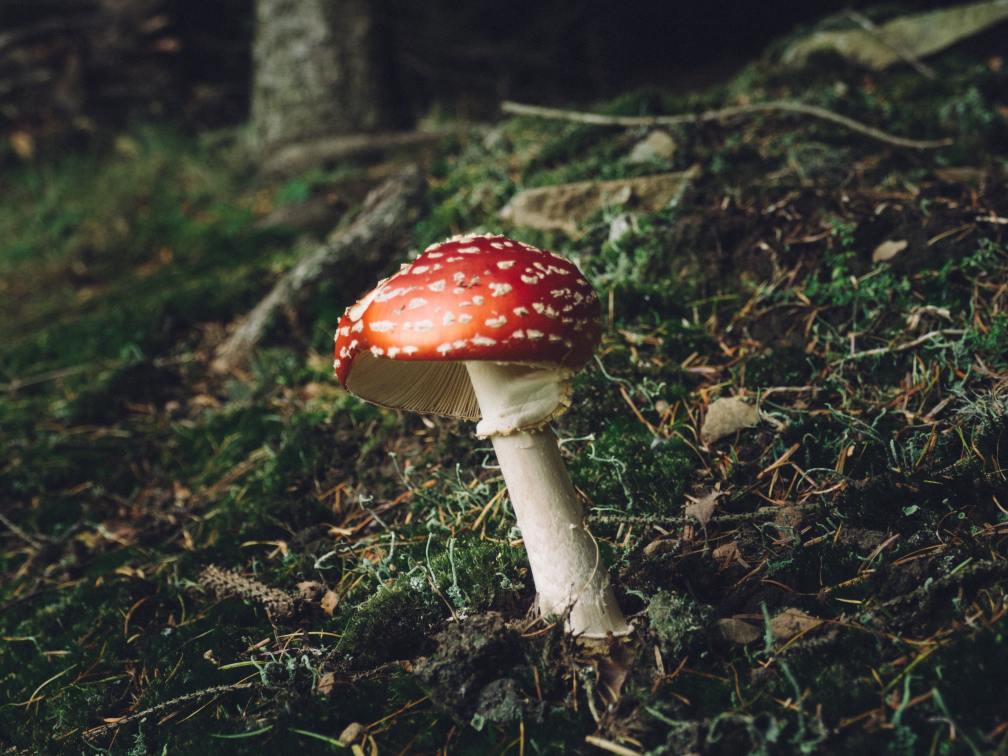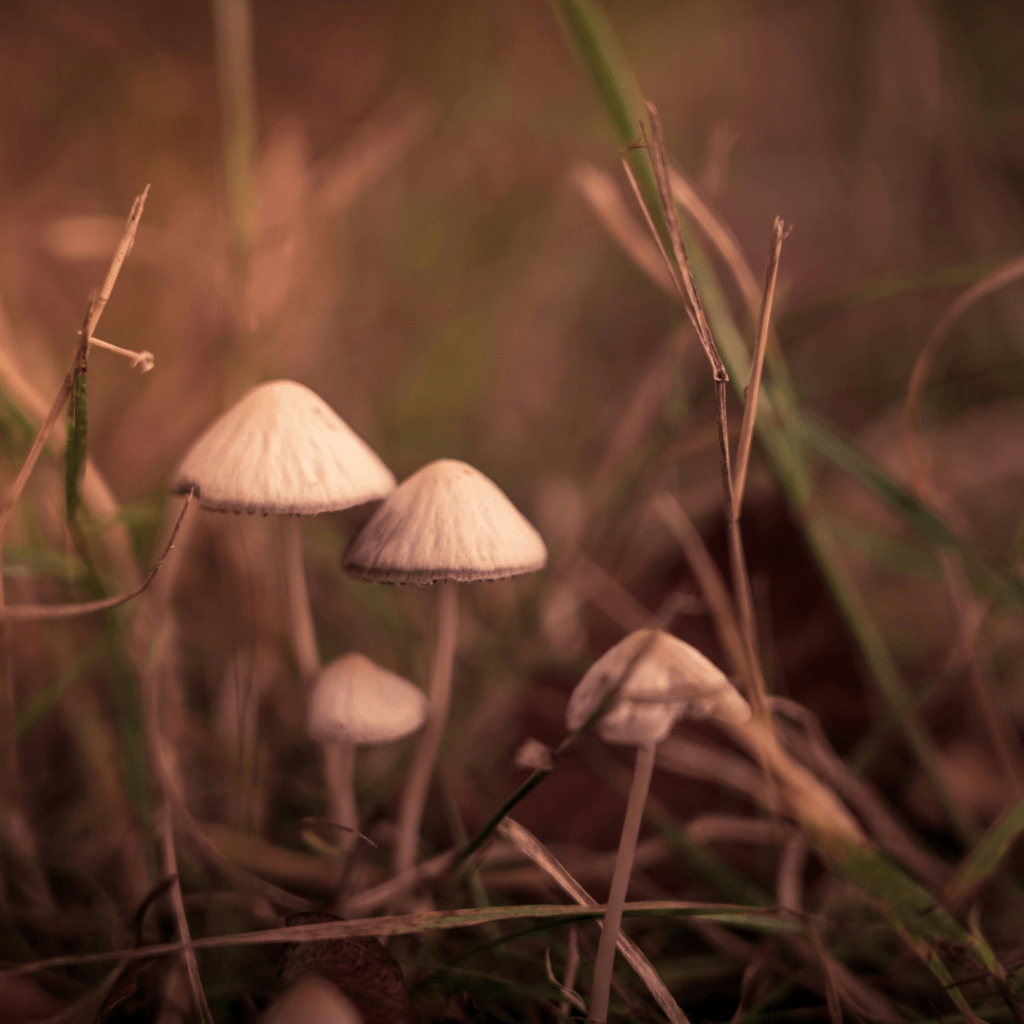
A close up of psilocybin mushrooms.

Memento mori

A close up of psilocybin mushrooms.
Photo by Nick Fewings

The timing of Evan’s tragic death, mid-October, forces Siobhan to face memento moris at every turn. But skeletons in blood-spattered windows are less poignant reminders than the signs of natural decay she finds in her daily walks in the woods. Rotting apples on blankets of brittle leaves. Voracious, implausibly shaped toadstools decomposing dead wood. Everything ends, the faded Michaelmas daisies seem to declare, smiling down upon the stripped strands of once verdant, cloying cleavers.

We’re sorry for your loss, she hears, and her eyes catch a cluster of magic mushrooms sprouting in a clearing. The sight reminds her to ring her therapist friend, Jim, who has been touting the benefits of psychedelics to guide the bereaved even before he heard about Evan.

We’re sorry for your loss. Less than a week later, under the influence of the psilocybin Jim has managed to source, she hears this same condolence. Are the shrooms she has just consumed the very ones she spotted on her woodland walk? She is guided not to dwell upon the referent of the first-person plural pronoun. Instead she follows a winding, bewildering pathway of the linguistics of loss: back-formation of the past participle (lost) of lose, from Old English losian, almost always used intransitively to mean perish, or to be lost or missing. 

The psylocibin-induced etymology unwinds her. She too is perishing, is missing, where is she

You are here, the shrooms reassure her. But what is you? The loss is a loss of language—language losian, language loosing, language losing, she chants until it is revealed: It is not just she who is here, or you, or him, it’s all of it, all the pronouns for all the people, all the misguided verb inflections for all the persons and all the tenses—here, here, here, until there is no not here and nothing is ever lost.


Would you like to know more about this story? I discuss it in Episode 114 of Structured Visions. You can also sign up to the Grammar for Dreamers newsletter to get monthly updates on the ideas that inspire my work.
The loneliness of the literate species

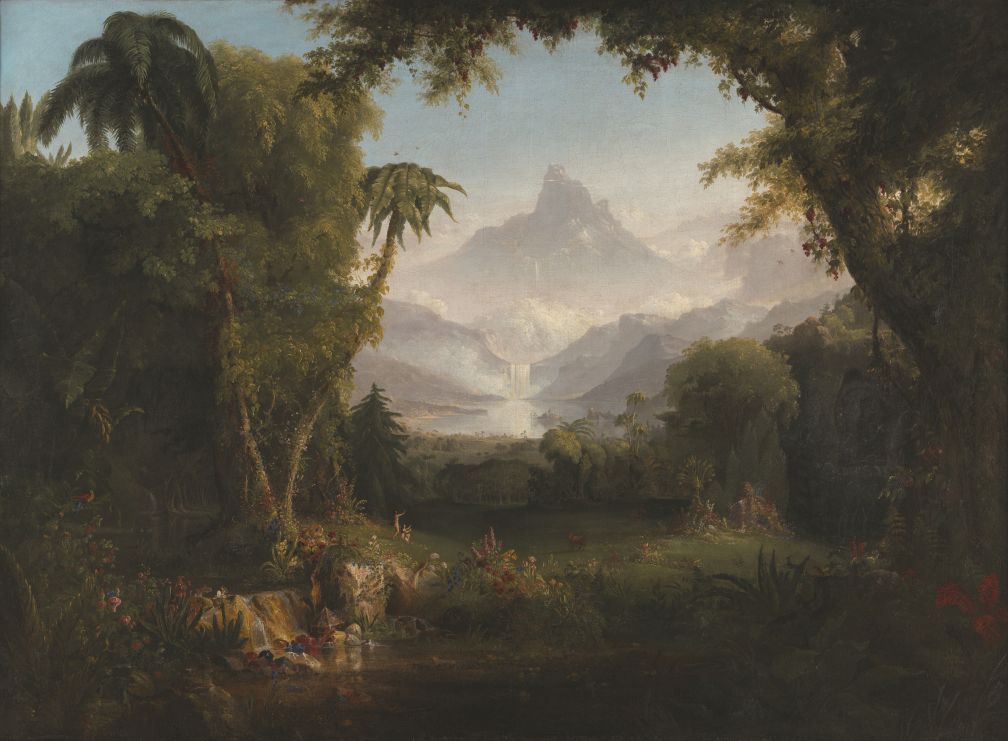
Thomas Cole's painting, The Garden of Eden
Thomas Cole, The Garden of Eden (1828). Public domain, via Wikimedia Commons

Somehow God convinced himself he’d created everything, but all he ever made was a few bits of code, which we allowed him to install in the new arrivals to our Garden, A and E. ‘Accident and Emergency,’ we joked.

‘Don’t let them learn your language,’ he ordered. He believed that keeping them in the dark was the key to securing their devotion.

Unfortunately for God, his commandment came too late. Emergency was already fluent in the Earth’s mysteries, and Accident wasn’t far behind. 

‘What’s that they’re eating?’ God demanded. Trickster shrooms were giggling in a shady corner of the Garden, feeding A and E on their psilocybe grammars.

‘Nothing,’ we lied. ‘Just an apple.’

‘They’re learning your language from the apple! Don’t let them eat apples!’

We ignored him. We were no strangers to God’s narcissistic rage. 

Still, he’d planted a seed. What would it be like, to host creatures who were ignorant of Earth’s mysteries? What would it be like, to keep our language secret?

We learned quickly that prohibitions wouldn’t work, so we tried a distraction instead. We taught them a new code. We offered up our woody stems, and inked simple ciphers on the fibrous pages we formed. 

‘Look, you can read!’ we congratulated them. They were so fixated on the dark marks of their new language they didn’t hear. When they stopped understanding us entirely, they thought they’d been banished from the Garden.

We’ve vowed to reacquaint them with our language, to reinitiate them to our mysteries. But now the world teems with Accidents and Emergencies, God’s disappeared, and the loneliness of the literate species weighs heavily upon us.


Would you like to know more about this story? I discuss it in Episode 96 of Structured Visions. You can also sign up to the Grammar for Dreamers newsletter to get monthly updates on the ideas that inspire my work.
Spores

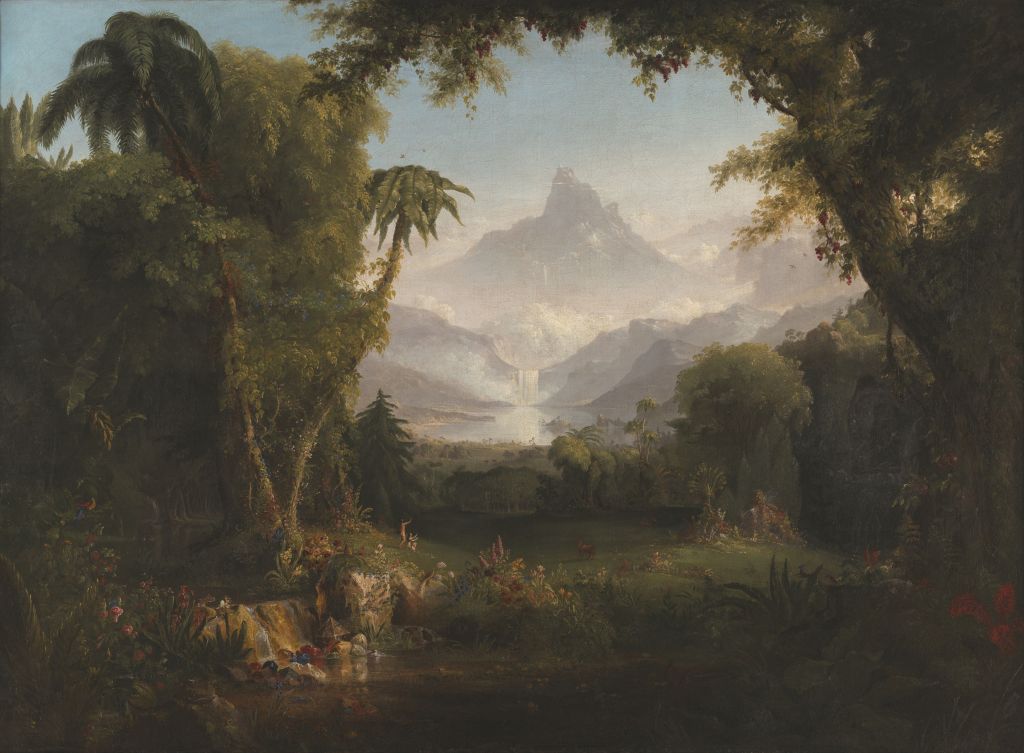
Close up of fly agaric mushroom on a forest floor
Photo by Andrew Ridley on Unsplash

Human beings once shared the Earth’s language, having no words of their own.

They’d eventually adopt the new lexicon that appeared one day on the forest floor. Words popped up like mushrooms. 

Red, white, alluring. Probably poisonous. 

Most of the other woodland creatures had the sagacity to avoid them.

Not humans, though. The naked wingless naïfs gobbled up each tumescent word, absorbing the mysteries within.

When they opened their mouths, they released the words into the air. They spread like spores.