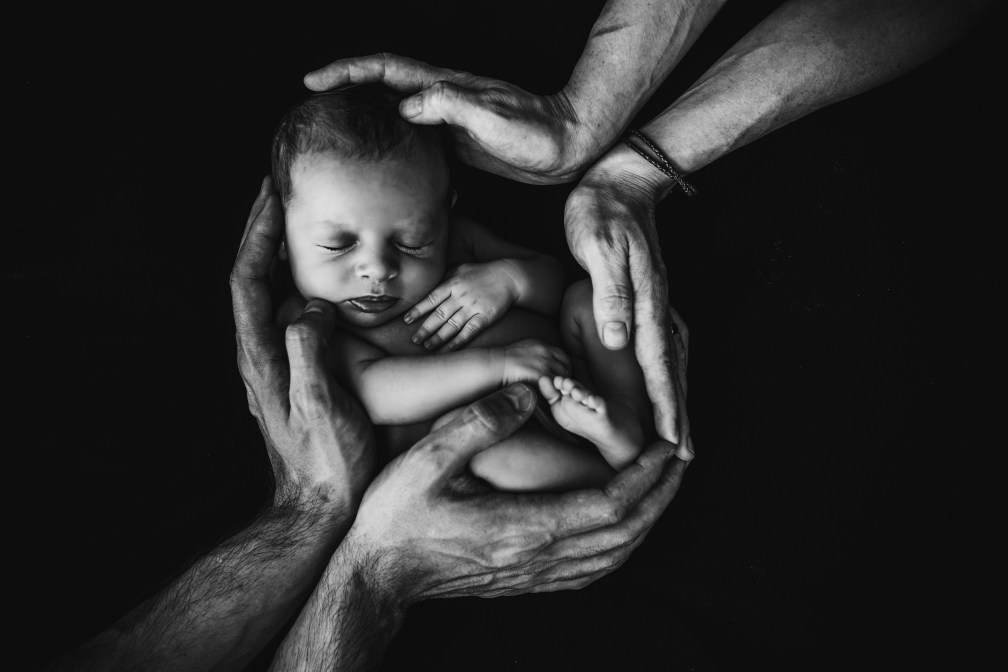
Greyscale photo of a baby being held by two pairs of hands.

Bubble

Greyscale photo of a baby being held by two pairs of hands.
Photo by Isaac Quesada

If the Heavens and the Earth were created in six days, human language came about 40 weeks later, when Eve watched the colostrum bubble emerge from her baby’s lips and saw that it was good. Exquisite emptiness encapsulated in a nutrient-rich spherical membrane, a miracle of separation. It burst with the babe’s first bilabial plosive.

‘Ba. Ba.’

‘Bubble,’ said Eve, in imperfect mimicry of her divine child. Fatty films of language formed round their souls like swaddling cloth.


Would you like to know more about this story? Sign up to the Grammar for Dreamers newsletter to get monthly updates on the ideas that inspire my work.
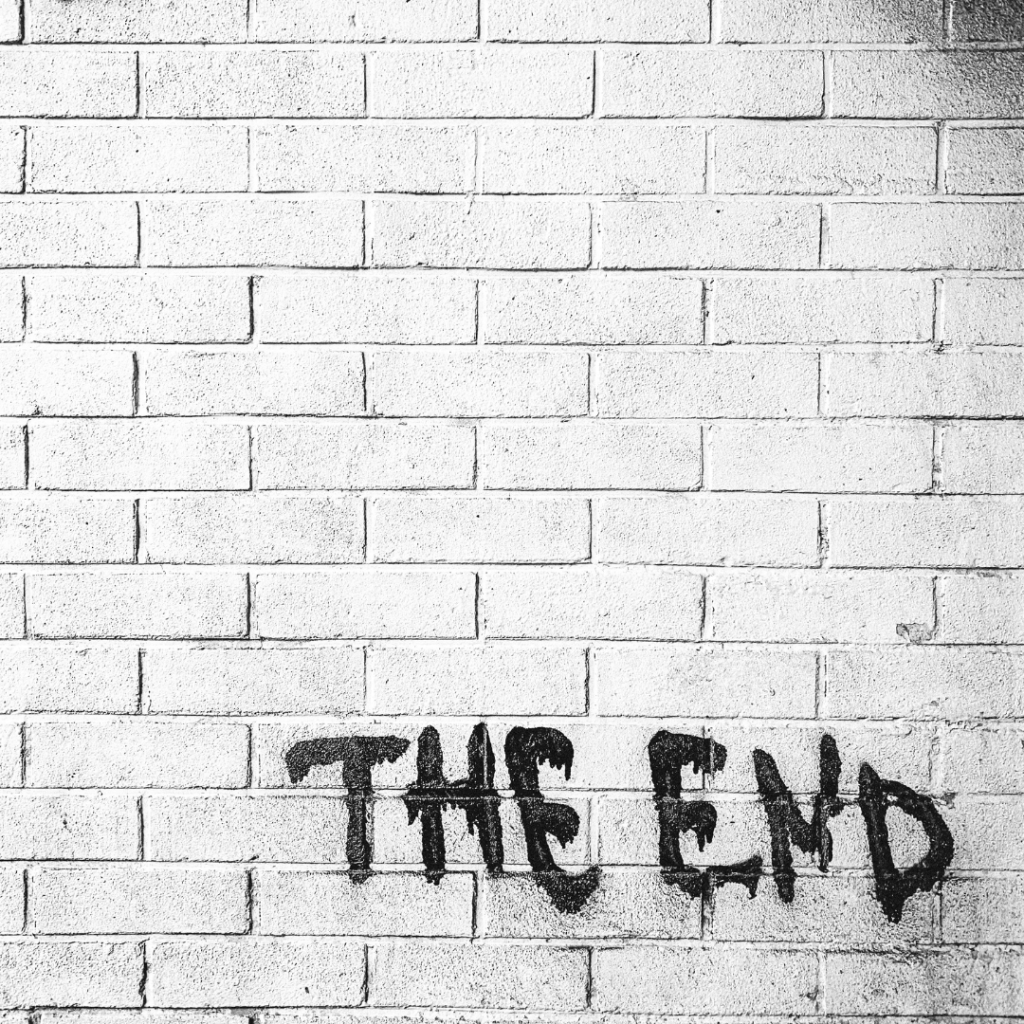
The words "THE END" spraypainted on a white brick wall

The end

The words "THE END" spray painted on a white brick wall
Photo by Crawford Jolly

In the city centre, at the cathedral, a lexical error. Writ large on a sign held aloft by brittle, needle-tracked arms. 

Ellen has just returned from a hospital appointment where she learned she has nothing left to lose. Whatever harm might come from correcting this error pales in comparison to her prognosis. She interrupts the ranting tramp.

‘It’s supposed to be The end is nigh.’ 

The addict lowers his arms to reflect upon his sign. The end is now.

With her linguistics training, Ellen can diagnose the reason for the error—the unfamiliarity of the archaic word paired with the phonological similarity between the diphthongs in now and nigh. Both are monophthongised in local accents. Nigh to nah in the American south. Now to nah in northern England. 

The man’s eyes are upon Ellen now, and they flood with a compassion that soaks her very synapses, dousing the incendiary syntax of her malignant thoughts. 

The end is now, he’s telling her, though his voice remains silent. The end is always, has always been now. It was only ever the stretching threads of mind-made language that could convince her otherwise, metastasising lies about the shape and structure of time.


Would you like to know more about this story? I discuss it in Episode 104 of Structured Visions, Consciousness is more than just a little cutie pie. You can also sign up to the Grammar for Dreamers newsletter to get monthly updates on the ideas that inspire my work.

Syllables

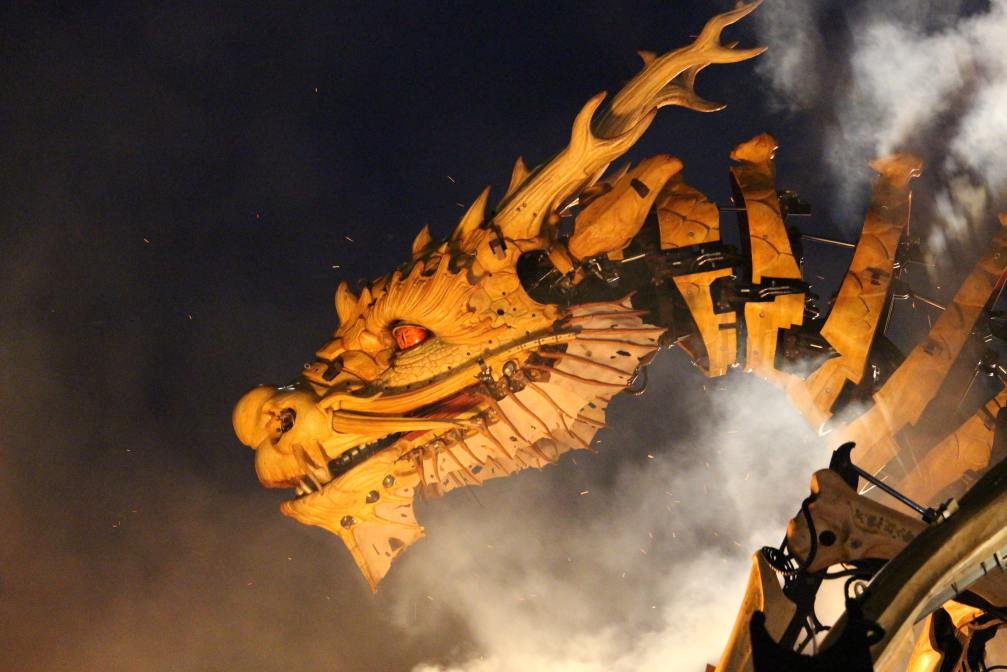
Photo of La Machine, a dragon robot produced for a street theatre production
Photo by Laith Abushaar

It was a mythical land, the dragon was merciless, and steadfast warriors set out regularly on reckless quests to slay it.

Its power to destroy lived, as with all such beasts, in its breath. It breathed not fire, but syllables.

These eggs of sound resonated so enchantingly that even just one had the power to madden its hearer on the spot. Some would-be slayers fell on their own swords and perished. Others simply dropped in a fatal swoon, limbs limp and eyes agog, never to be revived.

Eventually the Queen herself broached the beast, with armour and blade and, in a stroke of pragmatic genius, woollen plugs to stop her ears. The brutal battle lasted a night and a day. When the dragon gasped its last breath and the Queen claimed her hard-won victory, she unblocked her ears and walked among the mad warriors, whose bodies lay wasting on the path. The few whose lives still clung to them she entrusted to her own private healers. In time they were restored to vitality and sense, and they took up their lives once more among their people.

No one ever heard these fallen heroines speak of their misadventures. Still, it was said that at the dark of each new moon they gathered together in secret to speak their common language, built piecemeal from remembered remnants of the dragon’s awe-striking syllables.


Would you like to know more about this story? I discuss it in Episode 77 of Structured Visions.