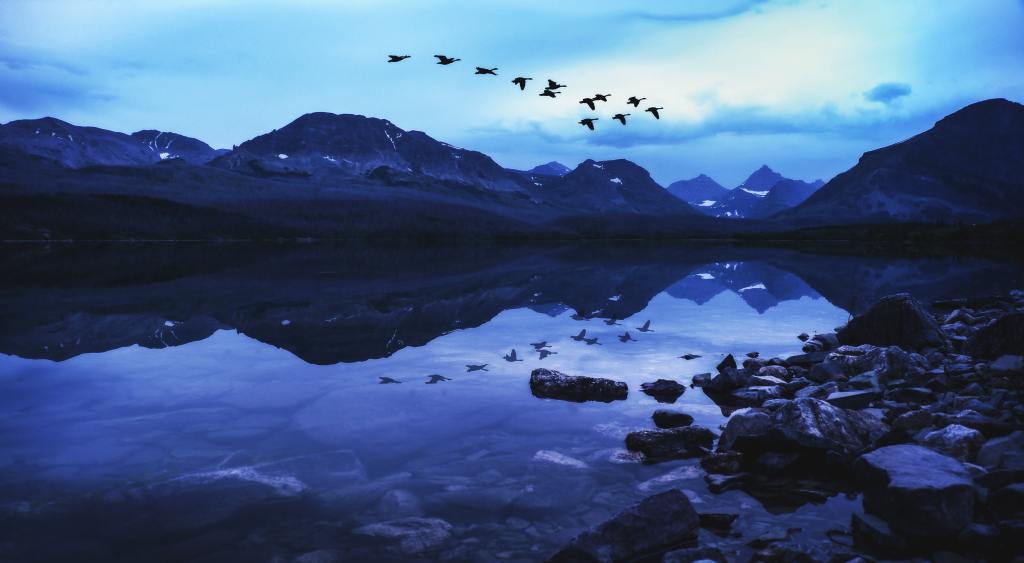
Gothic looking scrolls in compartments on a rack

The dark art of world building

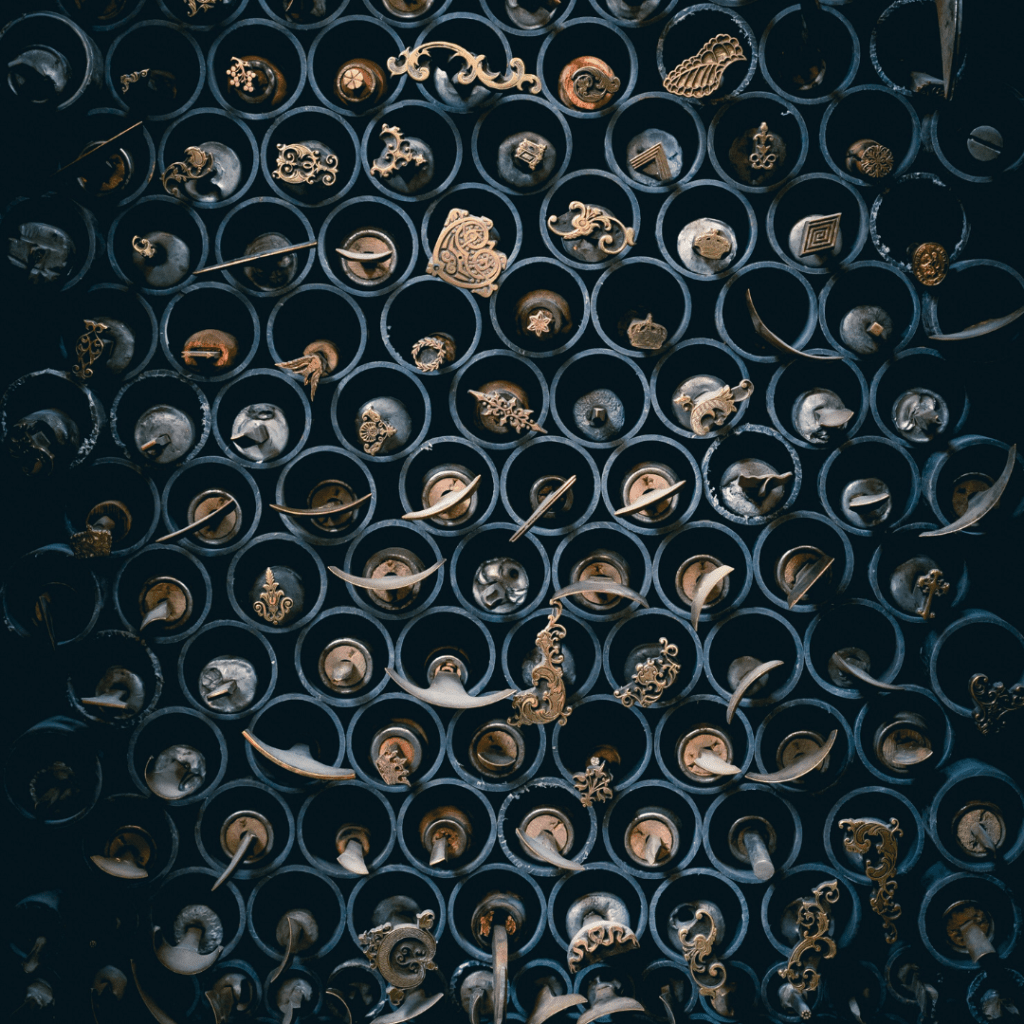
Gothic-looking scrolls in compartments in a rack
Photo by Sindre Aalberg

It is this I wish to tell you.

Our extensive studies of the planet Earth have revealed the existence of an information structuring system that defies all cosmological paradigms. Imagine an intelligence that is neither physical, nor chemical, nor biological, but linguistic.

A recently discovered archive houses the talk and writings of a species, long extinct, called human. A preliminary analysis suggests that the human experience was shaped by a linear language that restricted their access to any other forms of knowing.

Excluded from the world’s manifold insights, these beings created their own worlds, woven from the thin filaments of their darkening sentences. 

I have been charged with the mission of learning the dark art of world making, which is why I address you now through the medium of human language.

The experience, I can confirm, is dangerously enticing. As my awareness of reality diminishes, I begin to shape my own dark self, and its dark world, like some mysterious underworld god, some power-hungry sorcerer.


Would you like to know more about this story? I discuss it in Episode 105 of Structured Visions. You can also sign up to the Grammar for Dreamers newsletter to get monthly updates on the ideas that inspire my work.
Poor Magellan

‘Until it is circumnavigated, a planet has no soul.’

Hearing this is a surprise.

Many things are a surprise. In chronological order:

  1. I died
  2. There’s an afterlife
  3. In the afterlife you get to talk to the wisest being you can think of (like some kind of drunken thought experiment)
  4. The wisest being I could think of was the Earth
  5. Magellan gave her a soul?

‘Who’s Magellan?’ the Earth asks. Anthropomorphised, she looks a little like me when I was alive, a reckless wrinkled woman with unruly white tentacles for hair. 

We weren’t speaking English, but the Earth’s language.

  1. The Earth has her own language
  2. In my afterlife, I am fluent in the Earth’s language 

I tell her Magellan was a Portuguese explorer who sailed around the world in the 1500s.

This amuses her. She tosses out the names of all the beings that have been tracing her latitudes and longitudes long before human explorers, let alone Portuguese ones, came into existence.

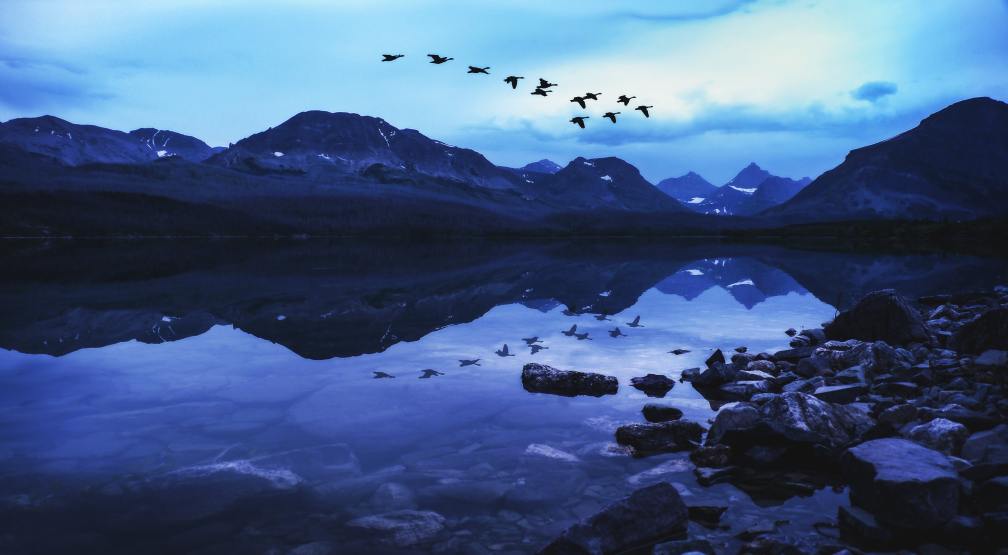
Butterflies. Tuna. Sea turtles. Geese. Wildebeests.

  1. All the migratory animals speak the Earth’s language?

Her mirth at my naivety has grown more unruly than her hair, which flails, snakelike, with the belly-deep force of her laughter.

The Earth’s language is remarkably economical. Somehow I learn the errors of my thinking before she’s had to voice them.

  1. The migratory animals created the Earth’s language
  2. A language is a description of the contours of the self

I realise now my own contours are dissolving.

I think of poor Magellan, and the phrases in the Portuguese language that built his ship, his journey, his self.


Would you like to know more about this story? I talk about it in Episode 84 of Structured Visions, ‘Language before language’. Subscribe to the podcast on Apple podcastsSpotify or wherever you like to listen.