Grammatical personhood has to do with levels of involvement in a linguistic expression. English and many other languages have three levels of personhood. It’s possible to have more than three levels of personhood. Blackfoot, a Native American language, has five.
At the end of the school day Zoë’s mother was waiting at the gates to walk her home. ‘Who was the first person?’ Zoë asked.
‘The first person to do what?’
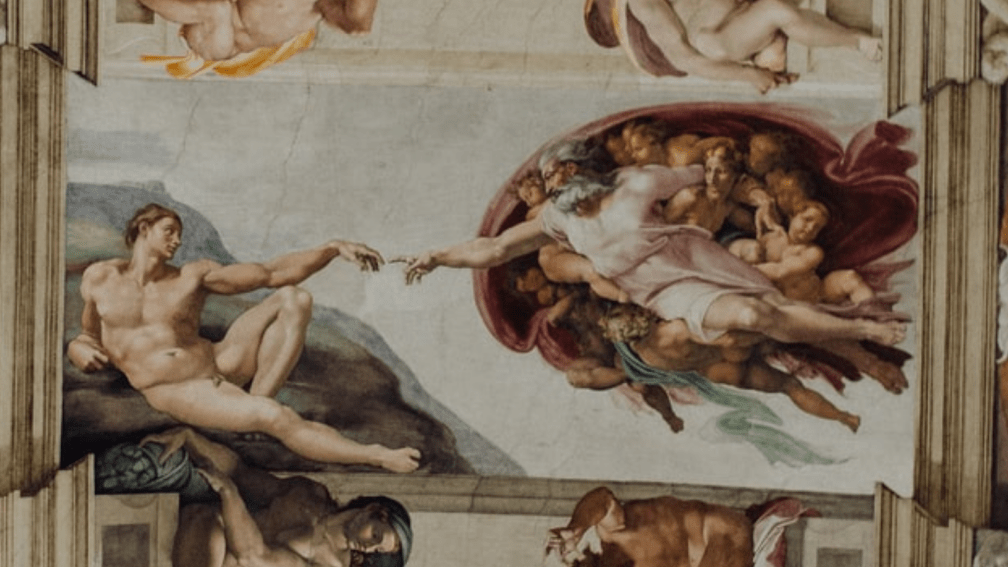
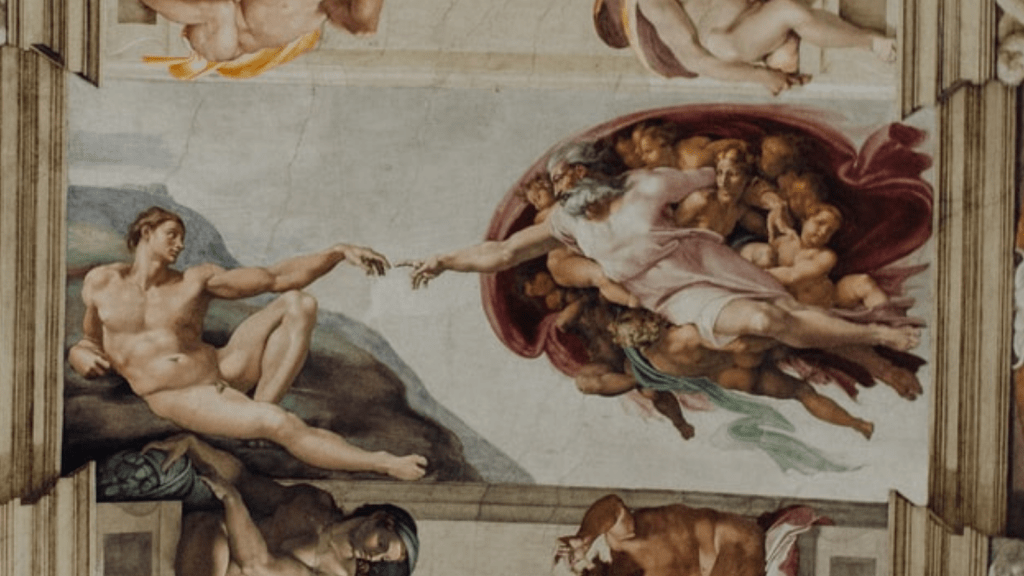
‘Just, the first person. The first person there ever was.’ Her friend Holly had told her that the first person was called Adam, and he was made by God out of dust and he named all the animals. It was absurd—how could anybody know who the first person was? The thought made her head spin.
‘That sounds like a question for Uncle Joe. You can ask him when we get home.’
‘Uncle Joe’s here?’ It was always exciting to hear that Uncle Joe had stopped by, out of the blue, to stay with them for a couple of days. Uncle Joe was the best person she knew. He was big and furry, like a bear. He was also a little bit mad, but not in a scary way.
She found him sitting in the conservatory drinking a mug of milky tea. She gave him a bourbon biscuit to dunk. ‘Who was the first person, Uncle Joe?’ she asked.
When he smiled his whole beard moved, like a hedgehog waking up.
‘The first person isn’t an actual person, Zoë. It’s a concept.’
His eyes were like tiny blue eggs hidden in a nest of eyebrows.
‘It wasn’t some guy called Adam?’ She couldn’t wait to set Holly straight.
‘Well, it might’ve been called Adam. Concepts can have names. Most of them do.’
He’d left the biscuit too long in his tea. He pressed the remaining bit into his mouth. Some soggy crumbs lingered on his moustache.
‘So tell me about the first person,’ Zoë said.
‘The first person is a linguistic construct. Linguistic means language,’ he remembered to tell her. ‘In the beginning, language flowed over the earth, like the weather. It passed over everything, living and non-living, like the wind and rain, always in motion, always changing.’
Zoë had learned weather patterns in science class. They’d watched a video of clouds moving over the globe. She ate another biscuit and waited.
‘Then one day, language got stuck.’
‘It got stuck? How?’ The weather never got stuck—not in any of the videos Zoë had seen.
‘It got sucked into a human body, and the language thought that body was its own. The body and the language together began to imagine that they were a person. Me, me, me, me, they said. They thought they were the first person.’
‘Were they called Adam?’
‘Maybe,’ said Uncle Joe.
‘So who was the second person?’
‘There were lots of second persons,’ Uncle Joe said. ‘Every time the language-body saw another human body, it called that human body you. You, you, you, you. And each time that happened a little bit of language would enter into the second person, and they would believe they were the first person—me, me, me, me.’
‘Wait. Were all of them called Adam?’
‘Probably not.’
‘Oh.’ Zoë wondered what it would be like to think you were the first person when you weren’t. ‘So how did language get unstuck?’ she asked.
Uncle Joe watched the swirling chunks of biscuit drowning in his mug. ‘It didn’t,’ he said. ‘Language stayed stuck.’ A heavy sorrow passed over his face, like a dark cloud, unmoving.
‘Oh,’ said Zoë. For a brief moment she knew how her uncle felt, like something exquisitely precious had been lost, like the only hope of retrieving it would be for everyone to go a little mad.
Listen to my podcast episode on this story here.


 Grammar for Dreamers