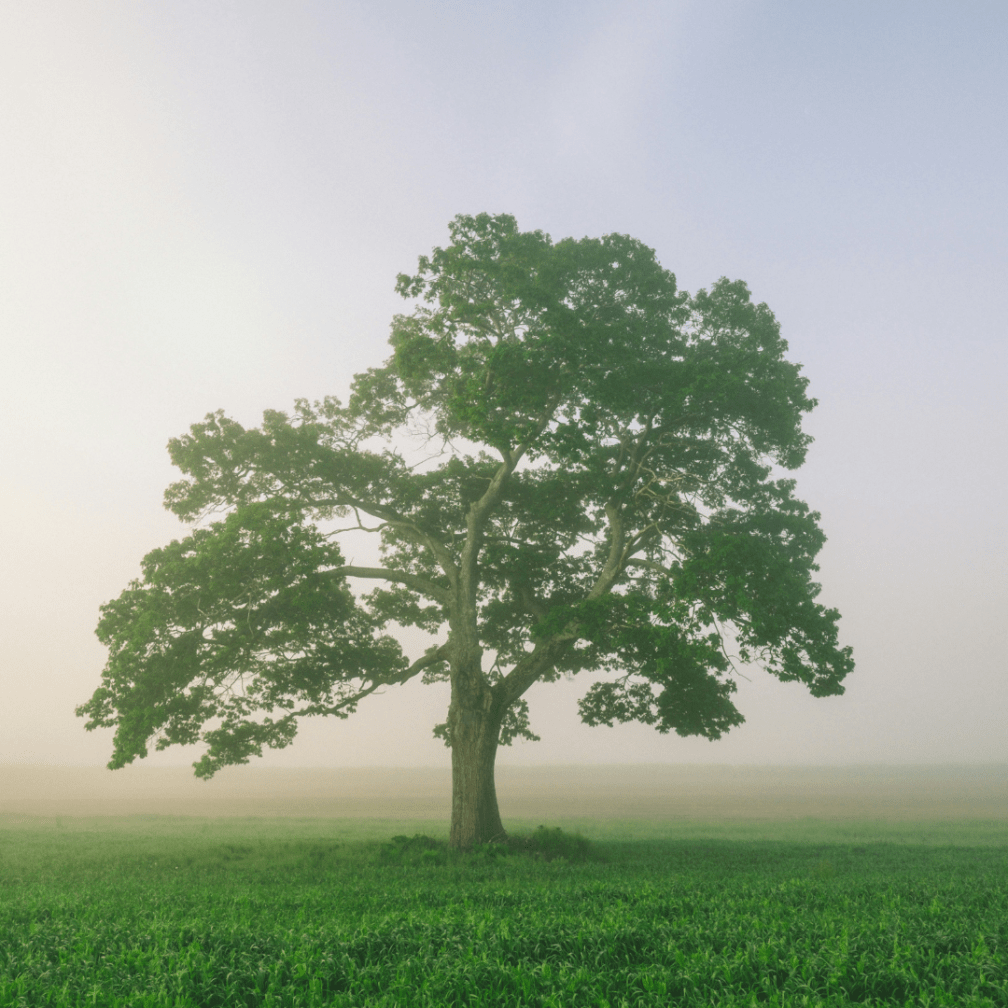
A tree in a field.

Singular

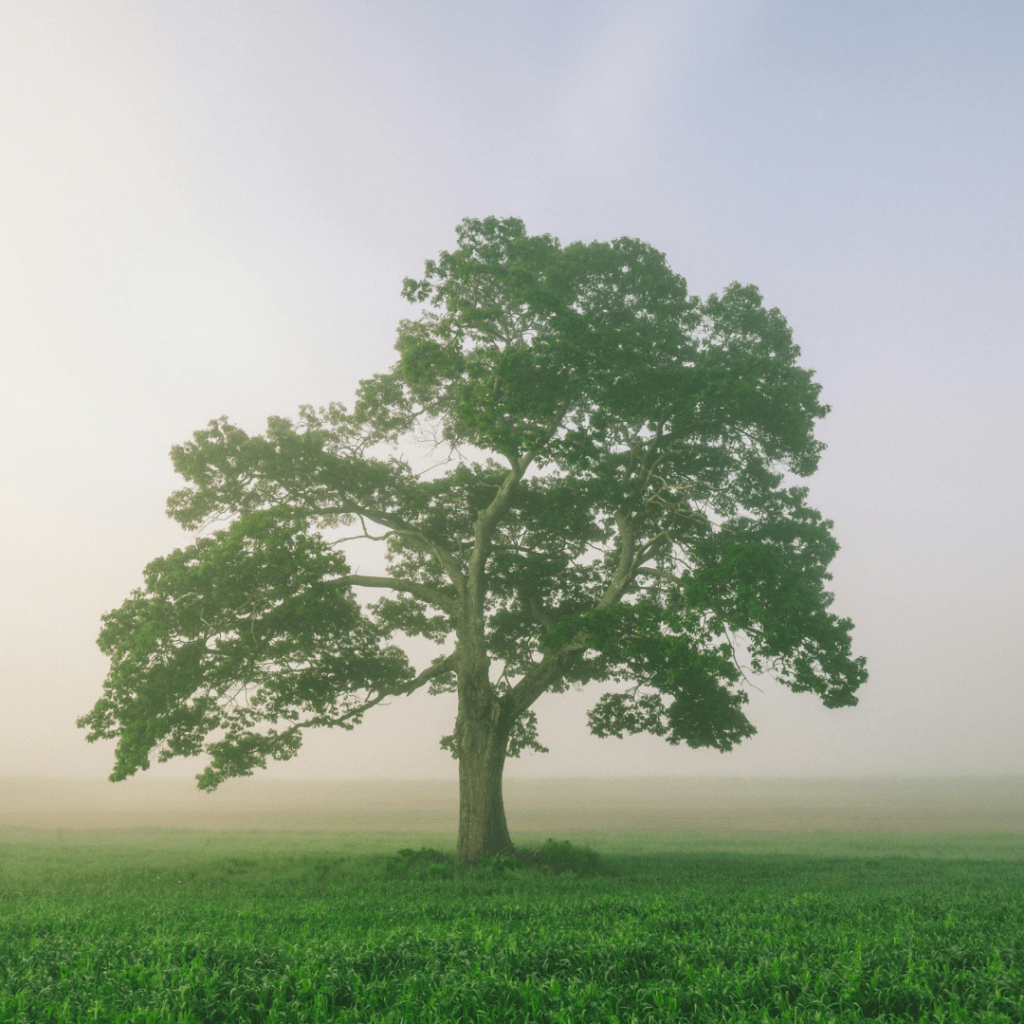
A tree in a field.
Photo by Tim Foster

—But there’s a tree, of many, one,
A single field which I have look’d upon,
Both of them speak of something that is gone

—William Wordsworth, from ‘Ode on Intimations of Immortality from Recollections of Early Childhood’


I was a treethe tree, the one that William look’d upon—who, until looked upon, did not speak, or at least, did not speak to poets.

I did not speak, but sing.

No, not I. There was no single I, just as there was no single field, no single tree, no singular singing, but still, a song—of which I was a part.

No. Not a part, nor apart, nor any article, no matter how affixed, no matter how indefinite.

Not until William singled me out did I signal something gone: Ah!—the infinite before, when the song, never begun, neverending, had not blinked, momentarily, out of this world, to reveal the one tree in the single field, with the lonely lyrical I, who looked, who could not stop looking, drawing down with his gaze the prisonhouse shades.


Would you like to know more about this story? I’ll be discussing it in an upcoming episode of Structured Visions. You can also sign up to the Grammar for Dreamers newsletter to get monthly updates on the ideas that inspire my work.

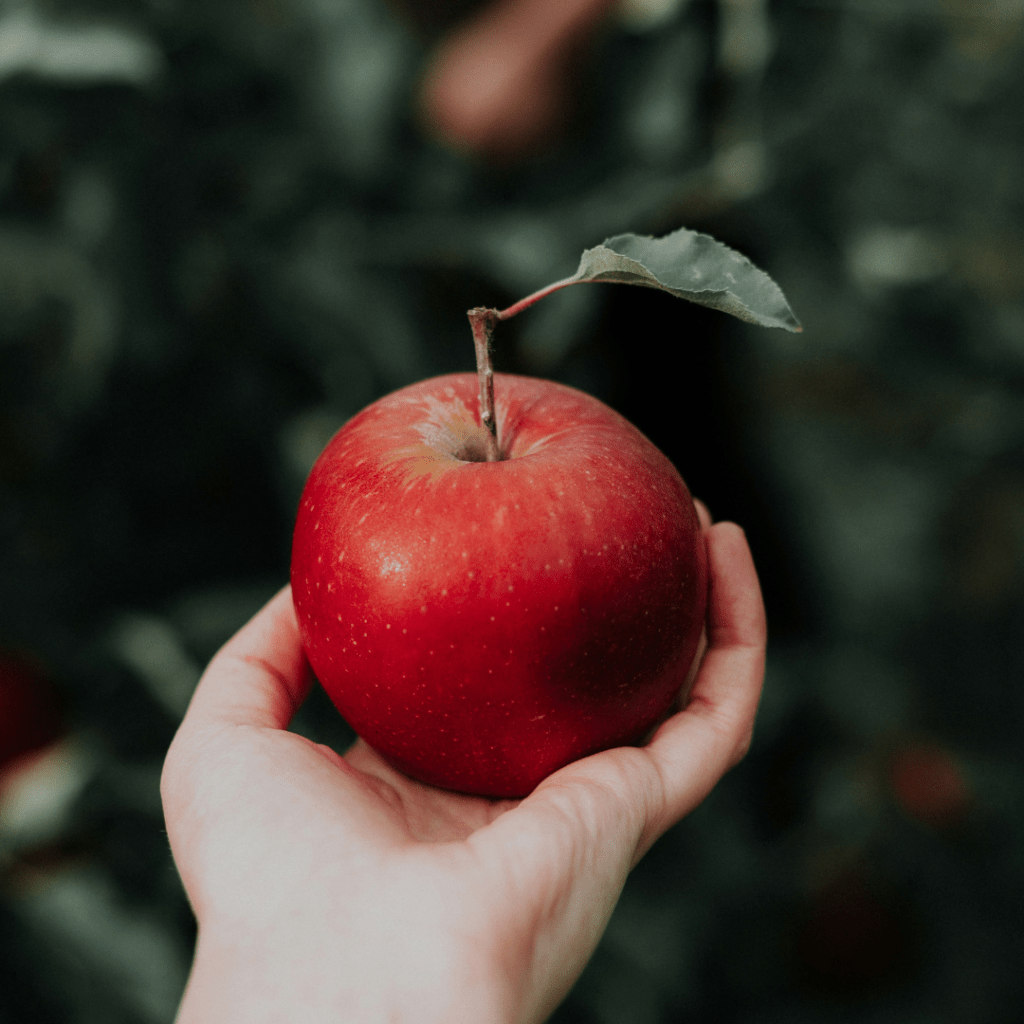
A hand holding a red apple.

The apple

I was never a poison, but a potion. A portal to the darkness that snow-white humans are so eager to deny.

The queen reached her own dark side through a Saussurian mirror of signifier and signified—the shiny glass signifying beauty and brilliance, the dark metal absorbing the signified envy. The apple, a gateway to a world beyond the toxic dualities of bright/dark, good/evil, life/death, through the labyrinth of unconscious signifying, into the world as it is.

I’d have stayed lodged in the human’s mouth for longer, feeding her the Earth’s true language, protecting her from the lies of signification as she made her journey into the silent unknown.


Would you like to know more about this story? Sign up to the Grammar for Dreamers newsletter to get monthly updates on the ideas that inspire my work.

A close up of psilocybin mushrooms.

Memento mori

A close up of psilocybin mushrooms.
Photo by Nick Fewings

The timing of Evan’s tragic death, mid-October, forces Siobhan to face memento moris at every turn. But skeletons in blood-spattered windows are less poignant reminders than the signs of natural decay she finds in her daily walks in the woods. Rotting apples on blankets of brittle leaves. Voracious, implausibly shaped toadstools decomposing dead wood. Everything ends, the faded Michaelmas daisies seem to declare, smiling down upon the stripped strands of once verdant, cloying cleavers.

We’re sorry for your loss, she hears, and her eyes catch a cluster of magic mushrooms sprouting in a clearing. The sight reminds her to ring her therapist friend, Jim, who has been touting the benefits of psychedelics to guide the bereaved even before he heard about Evan.

We’re sorry for your loss. Less than a week later, under the influence of the psilocybin Jim has managed to source, she hears this same condolence. Are the shrooms she has just consumed the very ones she spotted on her woodland walk? She is guided not to dwell upon the referent of the first-person plural pronoun. Instead she follows a winding, bewildering pathway of the linguistics of loss: back-formation of the past participle (lost) of lose, from Old English losian, almost always used intransitively to mean perish, or to be lost or missing. 

The psylocibin-induced etymology unwinds her. She too is perishing, is missing, where is she

You are here, the shrooms reassure her. But what is you? The loss is a loss of language—language losian, language loosing, language losing, she chants until it is revealed: It is not just she who is here, or you, or him, it’s all of it, all the pronouns for all the people, all the misguided verb inflections for all the persons and all the tenses—here, here, here, until there is no not here and nothing is ever lost.


Would you like to know more about this story? I discuss it in Episode 114 of Structured Visions. You can also sign up to the Grammar for Dreamers newsletter to get monthly updates on the ideas that inspire my work.

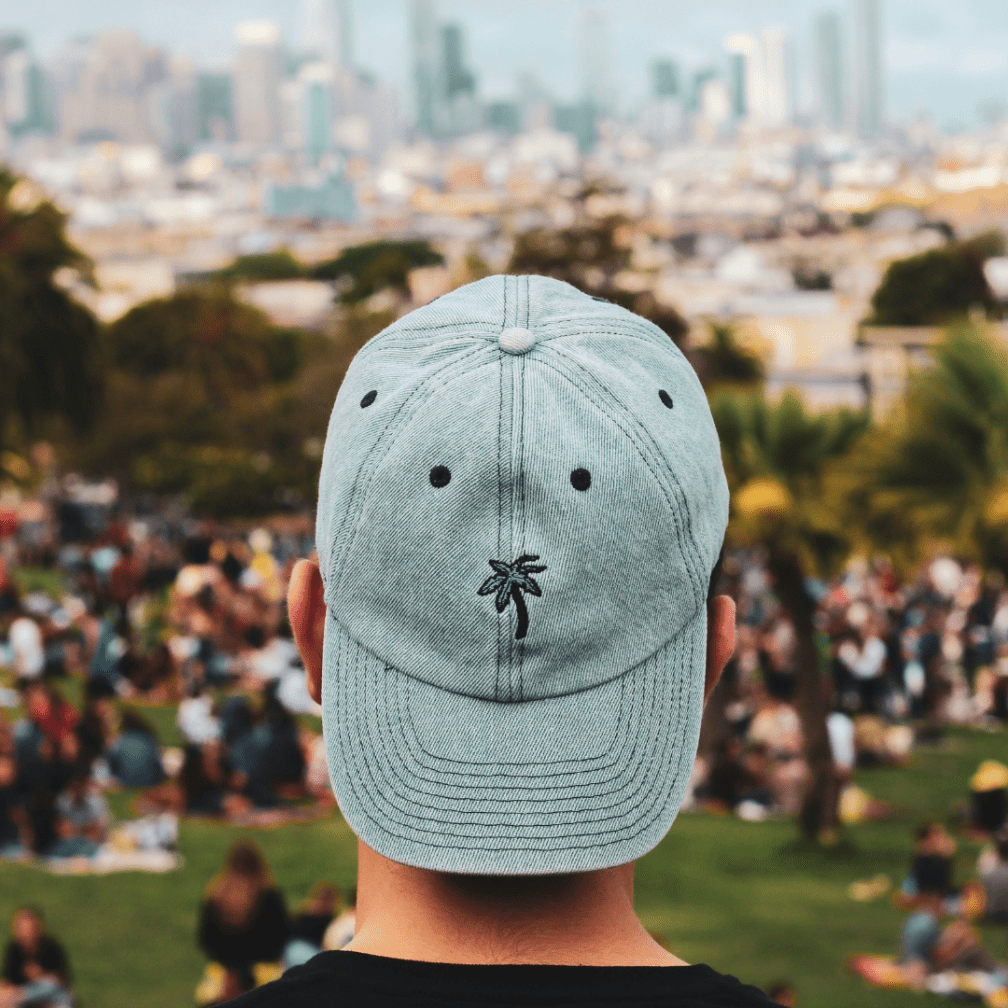
A person wearing a baseball cap from behind, looking out over a city.

Point of view

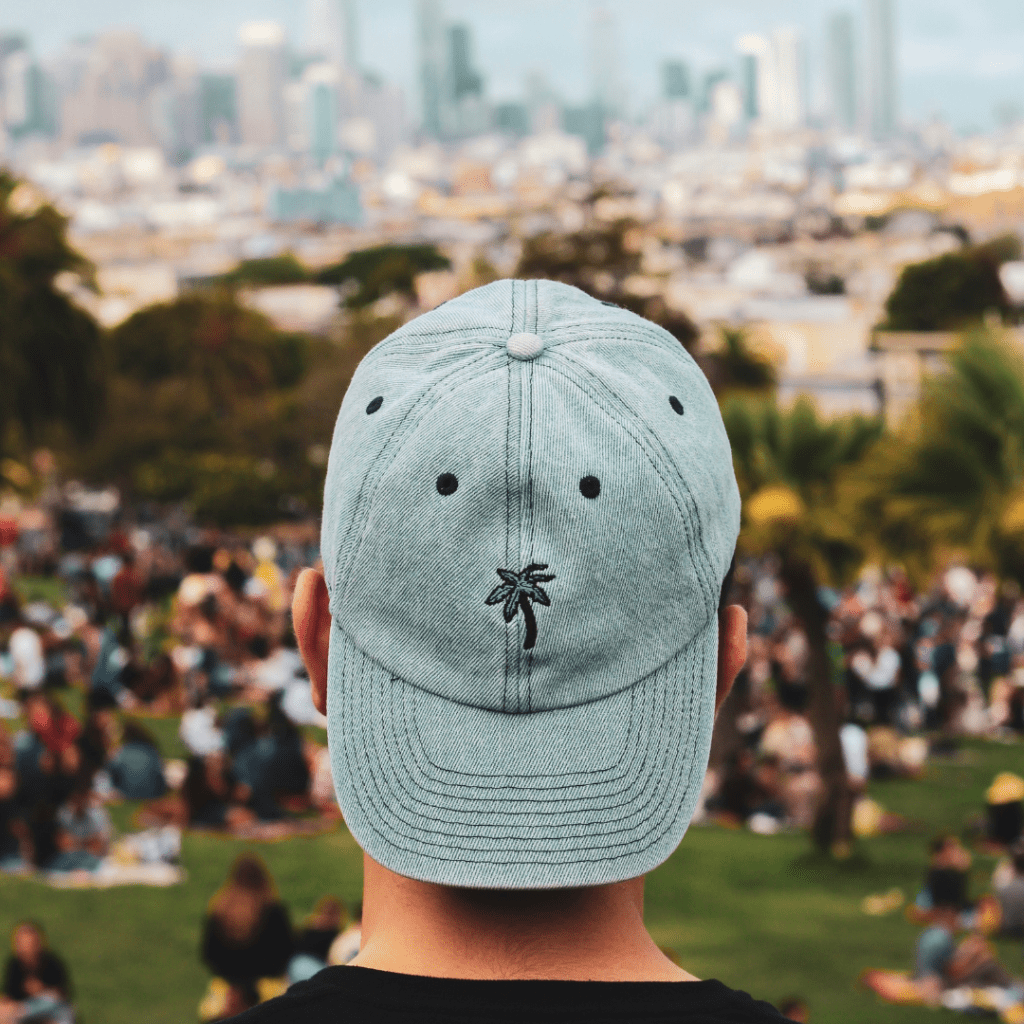
A person wearing a baseball cap from behind, looking out over a city.
Photo by Ahmed Syed

‘It’s the strangest thing.’

‘What is?’

‘Henry. He says he can’t talk about himself except in the third person.’

‘Third person?’

He, him.’

‘It’s a pronoun thing?’

“No, it’s a point of view.’

‘That’s your point of view.’

‘Ah! He says he’s glad you said you. Second person is a step in the right direction.’

‘Why can’t he say you?’

‘He says he can’t say anything except through indirect speech. He can’t say-’

‘Eye?’

‘Aye. He’s making progress, he says.’


Would you like to know more about this story? I discuss it in Episode 113 of Structured Visions. You can also sign up to the Grammar for Dreamers newsletter to get monthly updates on the ideas that inspire my work.

A close up of a skull on a table.

The effects of language on the body

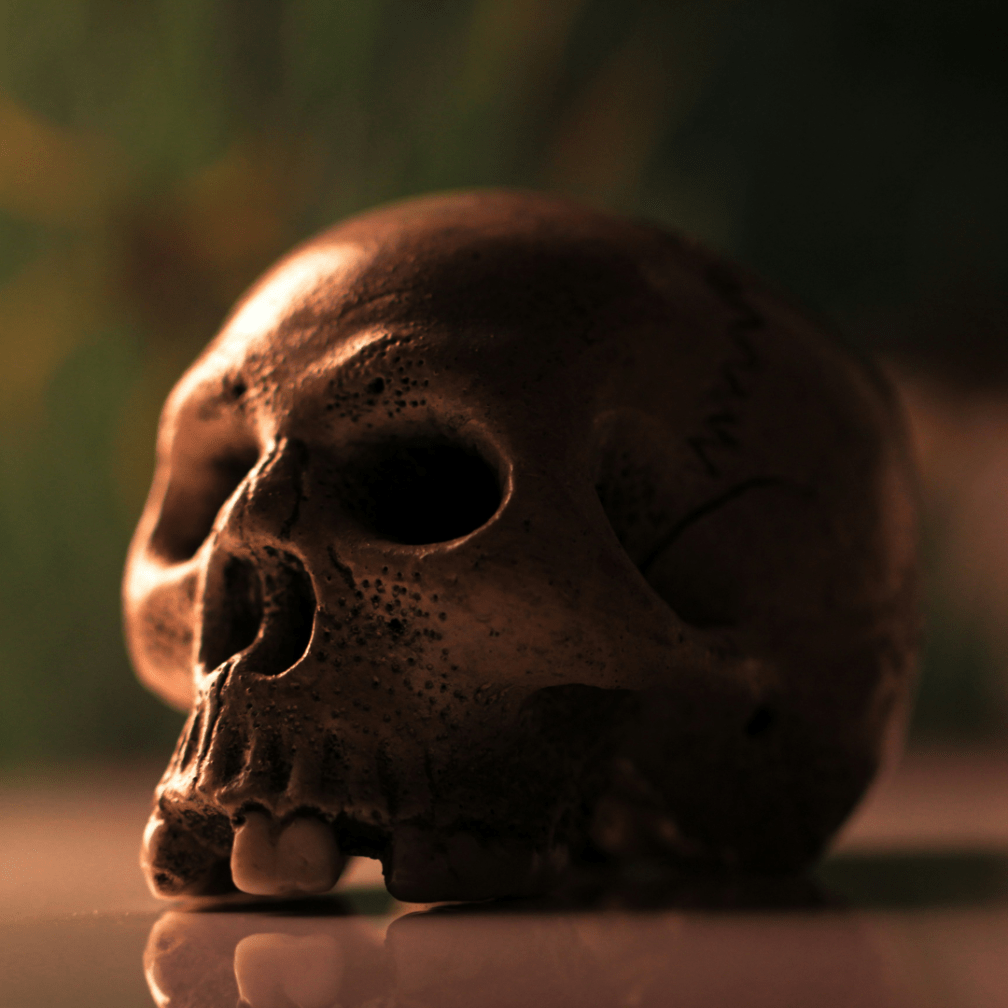
A close up of a skull on a table.
Photo by Sandy Miller

A report for the life-sustaining planets of Trappist-1, in partial response to queries about introducing the consciousness-restrictor known as ‘restricting language’ into their ecosystems

On the Earth so far the only creatures to be infected with Restricting Language (henceforth RL) are a group of hominids, specifically the extant species within the Homo genus, known as sapiens. One notable symptom has presented as bipedalism, which distances the human body from the surface of the Earth, thus reducing its capacity to absorb the planet’s generosity and intelligence. RL seems to have simultaneously prevented the development of feathers or wings present in other bipedals, which give the latter access to the embrace of the Earth’s atmosphere.

The RL-infected bodies produce flexible fingers and opposable thumbs, but they rarely apply their hands as a means of self-propulsion over land or through trees. Nor do Homo sapiens make use of the prehensility of these extremities for connection with the Earth. They grasp not the Earth’s ideas, but their own, clinging, gesturing, tapping at machines.

RL has stripped human bodies of fur, feathers or leathery armour, leaving only ineffectual vellus hair. Believing they have lost the Earth’s protection, Homo sapiens cover themselves in clothing made from animal, plant or artificial material. 

A key finding is that RL infection cuts bodies off from reality. Human brains have adapted by swelling their prefrontal cortices to increase the capacity of their delusions. RL-influenced thoughts are marked by separateness, loneliness, longing.

Only when they sleep do these bodies, stretched prostrate, surrender. The infection eases. The lungs expand in relief. The Earth’s soothing wisdom pulses through their dreams.


Would you like to know more about this story? I discuss it in Episode 113 of Structured Visions. You can also sign up to the Grammar for Dreamers newsletter to get monthly updates on the ideas that inspire my work.

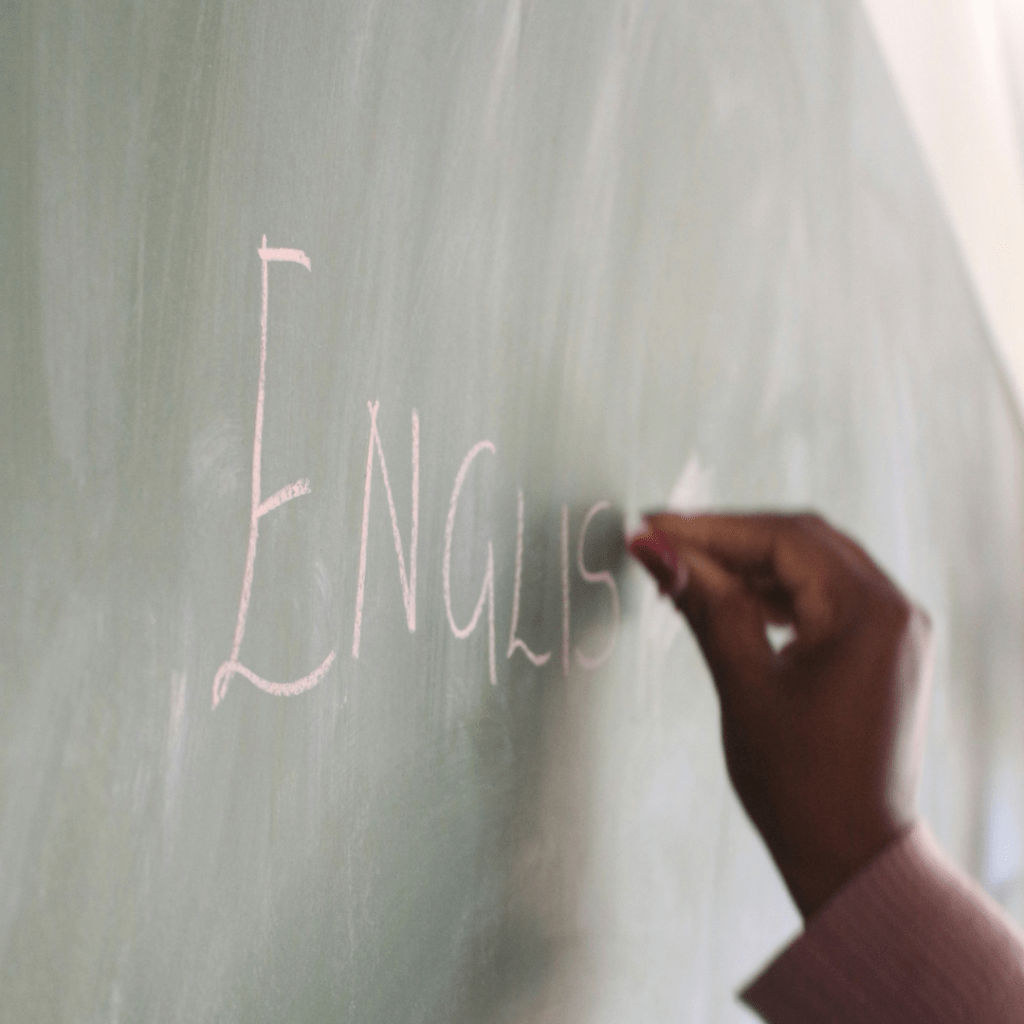
A hand writing the word 'ENGLISH' on a green chalkboard.

Modal auxiliaries

The life that passes before Ada Hasselback’s eyes in the moments before her death is less flash and more slow motion—at least for one scene too commonplace, she thinks, to merit such an effect. She’s standing, defeated, at the front of a classroom, looking out at a sea of bored teenage Spanish faces. From the chalked words on the dusty board behind her it is clear she’s teaching them English modals.

can
coul
d
shall
should
will
would
may
might
must

The students talk amongst themselves, oblivious to her inept attempts to interest them. At 22, with no prospects beyond this year-long post, she is already a failure. Her college boyfriend dumped her soon after she moved to Barcelona. She’ll return to Tallahassee with nothing to show for herself but the scars of self-pity.

A face through the window of the door at the back of the classroom. It brightens to recognise her. She brightens, too. It’s Adam, her fellow language assistant, from Dublin. He moves a hand to his lips, mimes going for drinks.

The film speeds up through the next few passionate weeks. She begs the divine director to linger over those blissful afternoon organisms in Adam’s mouldy studio in the Eixample—recalls how for many years after the smell of damp will stir her. But alas, what remains on the chalkboard of her dying mind are those persistent modal auxiliaries—can, could, shall, should. The vertigo of what might be, the devastation of what could have been.


Would you like to know more about modal auxiliaries, or other aspects of grammar? Check out my courses on jodieclark.com.

Grayscale photo of graffiti on a bridge.

A glimpse

Greyscale photo of graffiti under a bridge.
Photo by Toni Reed

When God visits the Earth (which isn’t that often) he tries to avoid human populations. They’re flooded with language, which he never bothered to learn.

But last Tuesday somebody spotted him under a railway bridge in Southwark, getting some homeless drunk to translate the graffiti.

The deity, having no concept of subjects and objects, struggled at first to make sense of Jimmy loves Paige. But a swig of the tramp’s Special Brew dimmed the exalted one’s consciousness just enough to see the point.

‘They see themselves as separate,’ he mused. ‘And they’re trying to come back together.’ He placed his finger on the concrete, tracing the heart-shaped line that circumscribed the message. 

‘Nope,’ said the tramp, no stranger to setting divinities straight. ‘They don’t know who they are at all. And in the other, they catch a glimpse.’

A tear slipped onto the omniscient cheek. Never before had he known not knowing, the bewildering plunge into chaos that dropped him now unswervingly into love.


Would you like to know more about this story? I discuss it in Episode 112 of Structured Visions. You can also sign up to the Grammar for Dreamers newsletter to get monthly updates on the ideas that inspire my work.

Greyscale photo of a pointing finger.

The origin of all destruction

Greyscale image of a pointing finger.
Photo by Cosmin Mîndru

‘Is it true that it’s rude to point?’ Little Tucker asked his Auntie Sam, who was cuddling him after Nana had told him off.

‘It’s more than rude,’ was her soothing reply. ‘It’s the origin of all destruction.’

Auntie Sam was famous for her crazy ideas. Tucker settled into the nest of her lap and waited for the rest of the story.

‘When the first person pointed, he cast a web out from his finger,’ she began.

‘Like Spiderman?’

‘Exactly.’ 

‘What did he point at?’

‘Anything. It doesn’t matter. A rabbit,’ his aunt decided.

‘And the rabbit got trapped?’

‘Yes. And the man sucked all the life force out of his prey, like a spider, and the rabbit became a Name. The Name lived inside the man and became a word in his language.’

‘So the rabbit was gone?’ The boy’s lower lip quivered. 

‘The rabbit still existed,’ Auntie Sam reassured him. ‘But the man couldn’t see it anymore. He could only see the image the word made in his head. Pointing made the whole world disappear, until there was nothing left to point at but language. So people pointed with words, not with fingers.’

Tucker’s mum decided enough was enough. She marched up to the pair, her lips pressed white together, and pulled Tucker out of Sam’s lap.

‘A bit touched, that one,’ Tucker heard his mum say in the kitchen later.

He heard how the words pointed to his beloved Auntie, how they made her disappear, and he cried inconsolably until bedtime.


Would you like to know more about this story? I discuss it in Episode 111 of Structured Visions, The linguistics of tapping. You can also sign up to the Grammar for Dreamers newsletter to get monthly updates on the ideas that inspire my work.
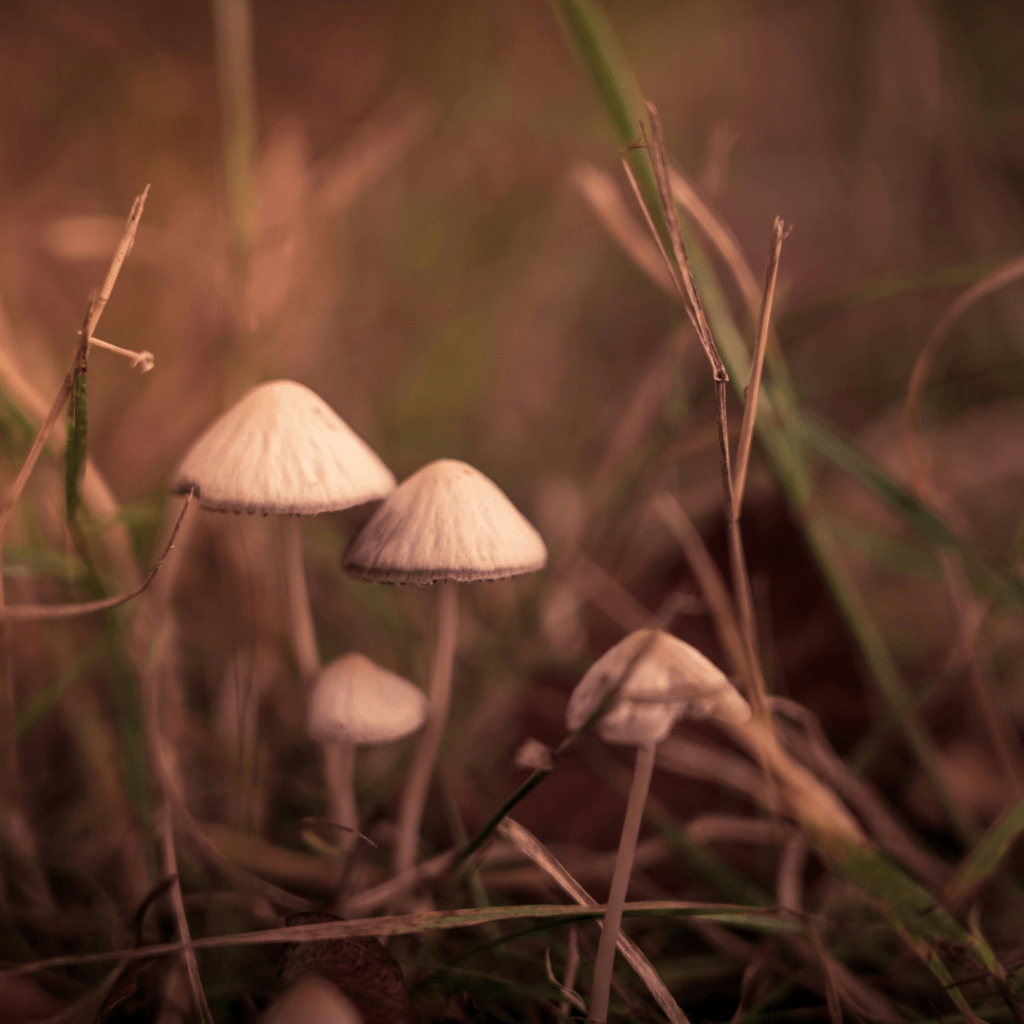
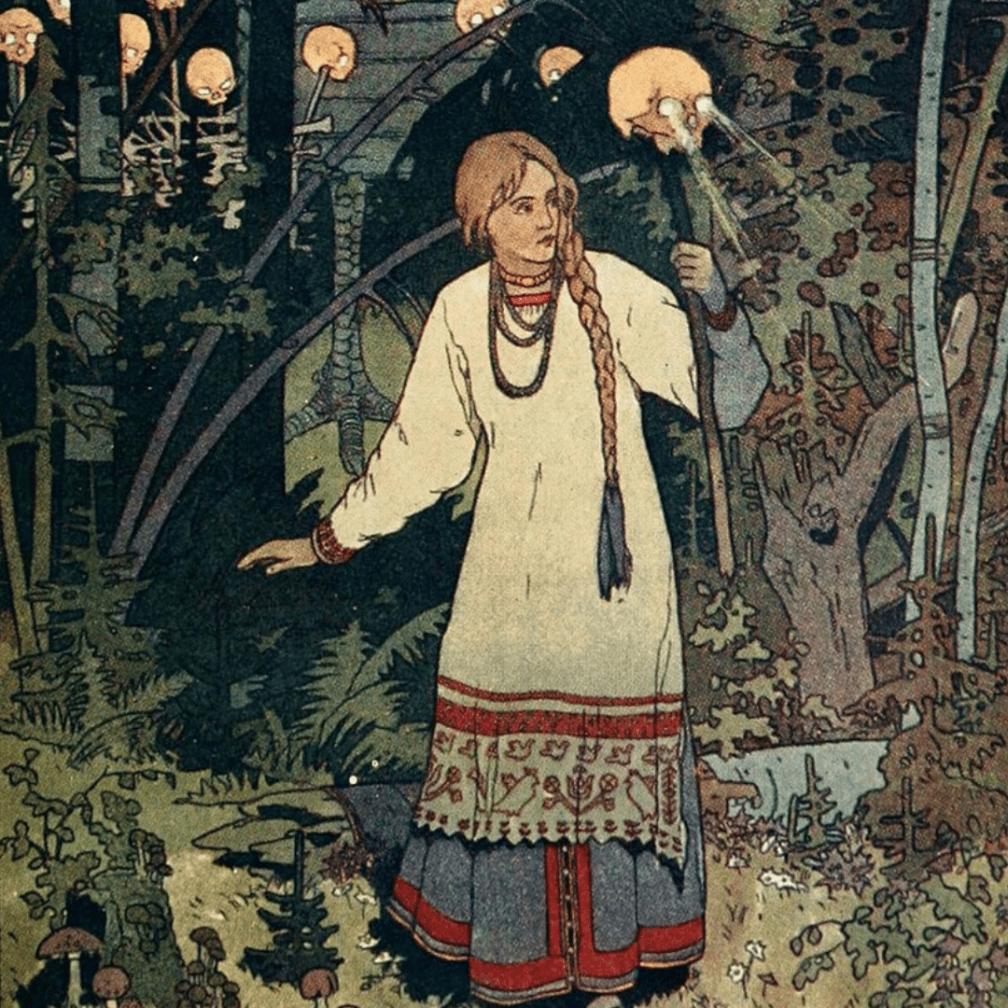
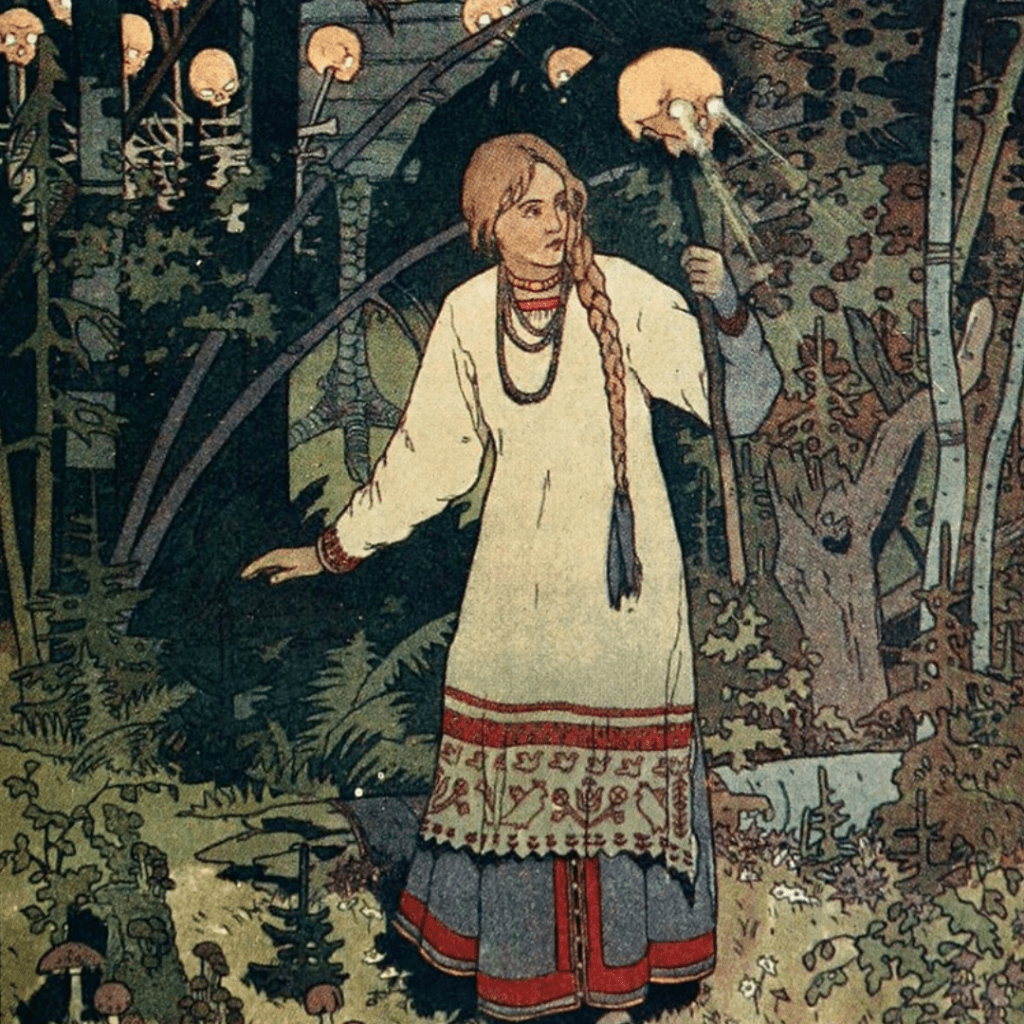
Illustration of a young woman in a dark wood, carrying a branch with a skull on top. The skull's eyes glow.

Vasilisa

Illustration of a young woman in a dark woods, carrying a branch with a skull with glowing eyes on top.
Vasilisa at the Hut of Baba Yaga, by Ivan Bilibin

In her old age, Vasilisa still feeds the doll in her pocket, the one who holds her mother’s blessing, and asks questions about the past. ‘How did you manage to separate grains of soil from poppy seeds?’

‘Each seed,’ says the doll, ‘was as big as a world.’

‘And the rotten corn from the good?’

‘It was as easy as separating words from silence,’ the doll assured her. ‘Word-created worlds decay, while those that emerge from silence flourish.’

Vasilisa remembers her childhood, her stepfamily cloaking her in insults like rancid flesh. The stench of it, she feels, is still upon her.

‘If you and I were kernels of corn,’ she tells her doll, ‘I would be rotten, and you would be sound.’

‘That’s not what Baba Yaga thought,’ refuted the doll.

Vasilisa, at her loom, remembers. The old hag saw through the fetid cloak of language to the glowing, light-giving bones within. The memory flows through Vasilisa’s fingers. Warp and weft entwine to shape a fabric as wide as a world. 


Would you like to know more about this story? Would you like to know more about this story? I discuss it in Episode 111 of Structured Visions, The linguistics of tapping. You can also sign up to the Grammar for Dreamers newsletter to get monthly updates on the ideas that inspire my work.
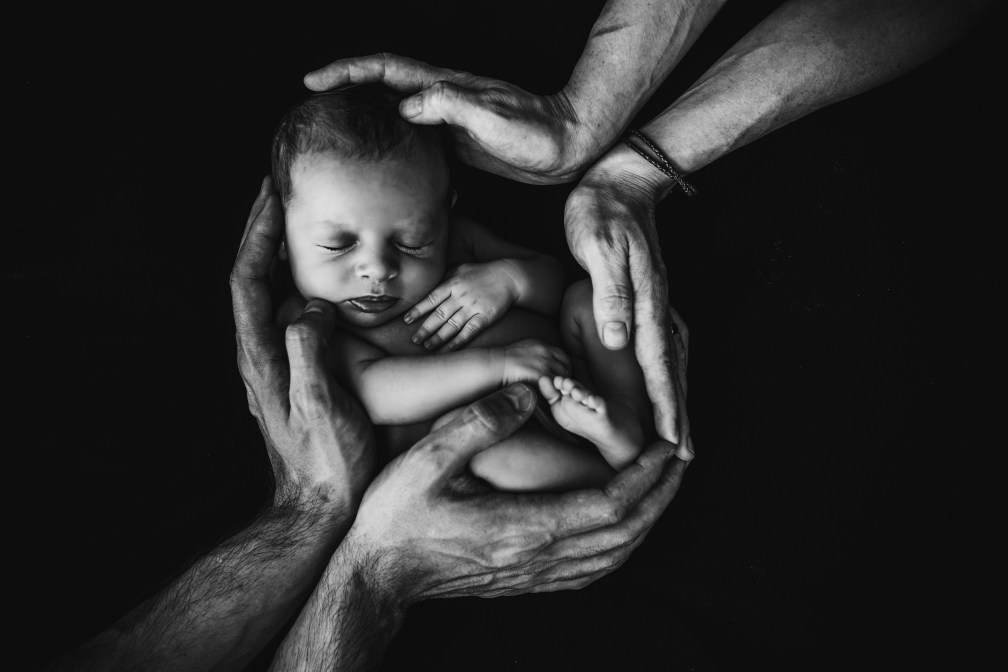
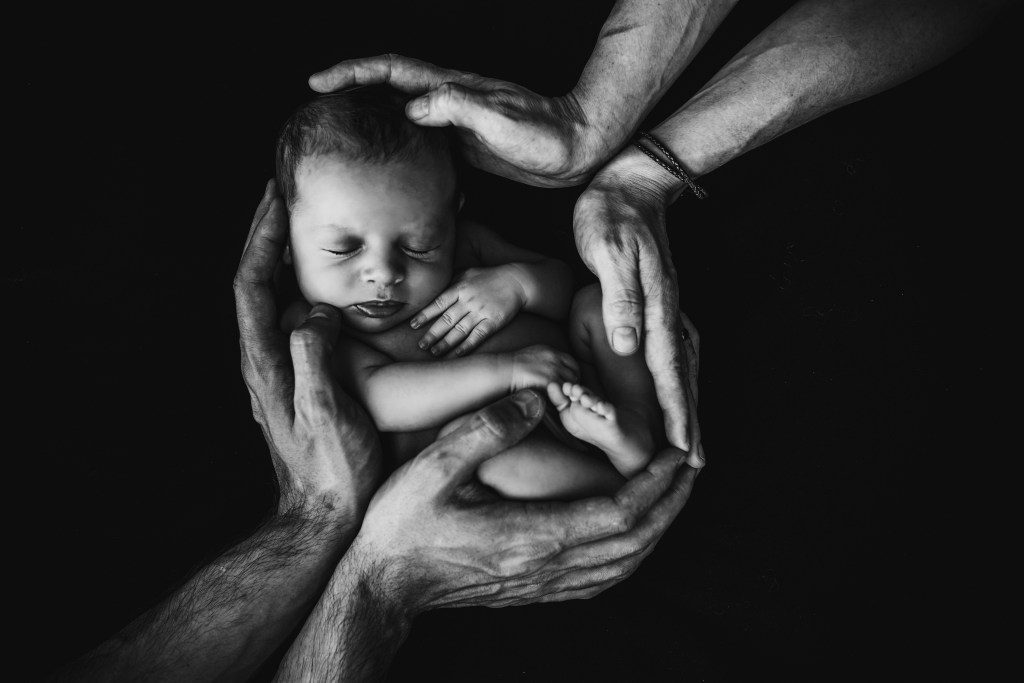
Greyscale photo of a baby being held by two pairs of hands.

Bubble

Greyscale photo of a baby being held by two pairs of hands.
Photo by Isaac Quesada

If the Heavens and the Earth were created in six days, human language came about 40 weeks later, when Eve watched the colostrum bubble emerge from her baby’s lips and saw that it was good. Exquisite emptiness encapsulated in a nutrient-rich spherical membrane, a miracle of separation. It burst with the babe’s first bilabial plosive.

‘Ba. Ba.’

‘Bubble,’ said Eve, in imperfect mimicry of her divine child. Fatty films of language formed round their souls like swaddling cloth.


Would you like to know more about this story? Sign up to the Grammar for Dreamers newsletter to get monthly updates on the ideas that inspire my work.