‘I’ve started talking to Proto-Indo-European.’
‘You mean you’ve started talking in…’
‘No. Talking to,’ Cassie insists. ‘I’ve personified the language. I call him Piedas.’
They meet every Friday at Lenny’s for happy hour to complain about their PhDs, how far behind they are, how mad they’re going.
‘Midas? Like the king with the golden touch?’
Cassie chews on a mojito-drenched mint leaf. She knows Beth will never understand her obsession with the noun-based languages that Proto-Indo-European generated. She never should have mentioned Piedas.
‘Like Midas, but everything he touches turns to nouns.’
It troubles Cassie that 40 percent of people, herself included, are doomed to see the world in terms of nouns. Things. Isolated, rigid, commodified. Bought, sold, stolen.
‘PIEdas. Proto. Indo. European. You’ve got to be kidding me,’ Beth says. ‘Happy hour’s almost over,’ she hints.
Cassie rises unsteadily and joins the clamouring mob at the bar. Foolishly she closes her eyes and allows the invading nouns— elbow, glass, noise, light, exhaustion, panic—to transform into verbs. Gush, swirl, flow.
She sinks, as into a river, like Midas, who dipped his tortured hands into the river Pactolus to be cleansed of his greed.
What hope is there for Piedas? Cassie wonders, moments before her head hits the sticky floor. A vision appears before her dark, unconscious eyelids.
‘Everything now you touch,’ says the river to Piedas, ‘turns to yours.’
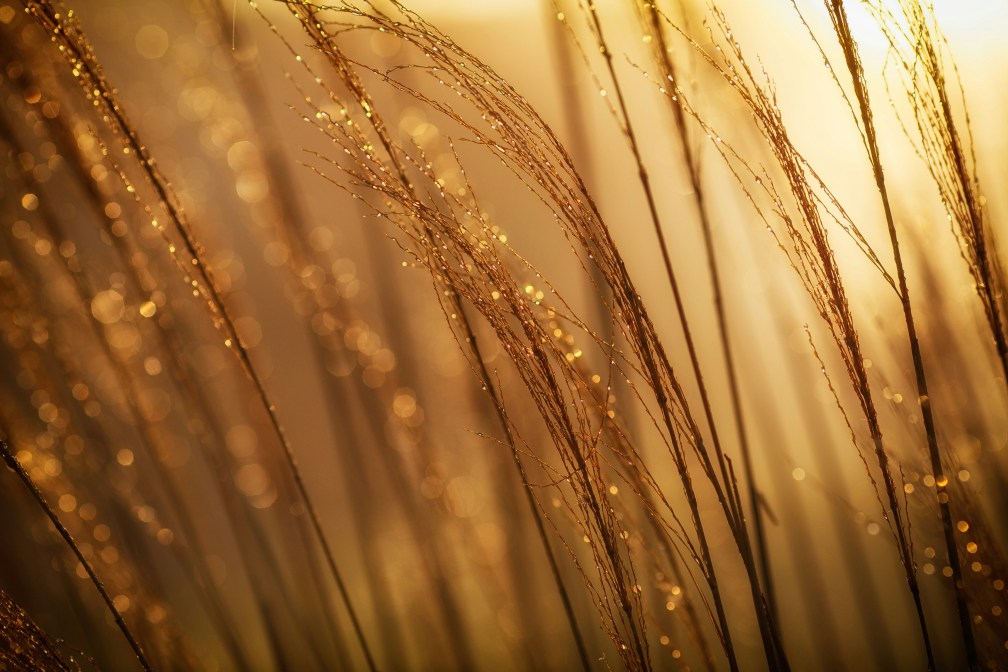
‘Mine?’ wonders the weary king, casting his eyes over the verdant landscape that now belongs to him. Each detail now reveals itself in golden splendour—the waving limbs of his grassland, the jutting peaks of his mountains, the roiling herds of his antelope.
We can redetermine the value of the possessive, Cassie realises, as the crowd helps her to her feet.
‘You are thirsty,’ said Piedas to his wilting tulip, carrying water from his river in his palms.
Would you like to know more about this story? I discuss it in Episode 109 of Structured Visions, What makes you so special? You can also sign up to the Grammar for Dreamers newsletter to get monthly updates on the ideas that inspire my work.
 Grammar for Dreamers