A person wearing a baseball cap from behind, looking out over a city.

Point of view

A person wearing a baseball cap from behind, looking out over a city.
Photo by Ahmed Syed

‘It’s the strangest thing.’

‘What is?’

‘Henry. He says he can’t talk about himself except in the third person.’

‘Third person?’

He, him.’

‘It’s a pronoun thing?’

“No, it’s a point of view.’

‘That’s your point of view.’

‘Ah! He says he’s glad you said you. Second person is a step in the right direction.’

‘Why can’t he say you?’

‘He says he can’t say anything except through indirect speech. He can’t say-’

‘Eye?’

‘Aye. He’s making progress, he says.’


Would you like to know more about this story? I discuss it in Episode 113 of Structured Visions. You can also sign up to the Grammar for Dreamers newsletter to get monthly updates on the ideas that inspire my work.

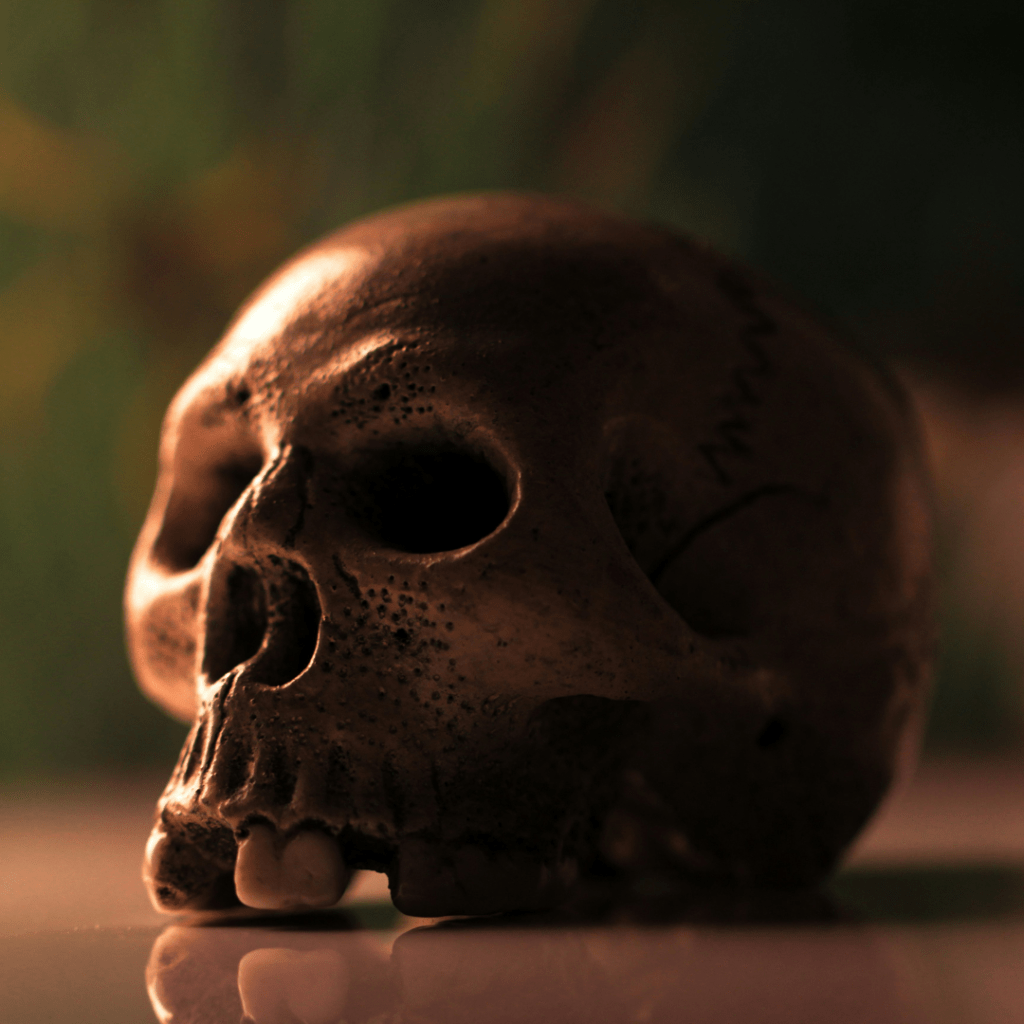
A close up of a skull on a table.

The effects of language on the body

A close up of a skull on a table.
Photo by Sandy Miller

A report for the life-sustaining planets of Trappist-1, in partial response to queries about introducing the consciousness-restrictor known as ‘restricting language’ into their ecosystems

On the Earth so far the only creatures to be infected with Restricting Language (henceforth RL) are a group of hominids, specifically the extant species within the Homo genus, known as sapiens. One notable symptom has presented as bipedalism, which distances the human body from the surface of the Earth, thus reducing its capacity to absorb the planet’s generosity and intelligence. RL seems to have simultaneously prevented the development of feathers or wings present in other bipedals, which give the latter access to the embrace of the Earth’s atmosphere.

The RL-infected bodies produce flexible fingers and opposable thumbs, but they rarely apply their hands as a means of self-propulsion over land or through trees. Nor do Homo sapiens make use of the prehensility of these extremities for connection with the Earth. They grasp not the Earth’s ideas, but their own, clinging, gesturing, tapping at machines.

RL has stripped human bodies of fur, feathers or leathery armour, leaving only ineffectual vellus hair. Believing they have lost the Earth’s protection, Homo sapiens cover themselves in clothing made from animal, plant or artificial material. 

A key finding is that RL infection cuts bodies off from reality. Human brains have adapted by swelling their prefrontal cortices to increase the capacity of their delusions. RL-influenced thoughts are marked by separateness, loneliness, longing.

Only when they sleep do these bodies, stretched prostrate, surrender. The infection eases. The lungs expand in relief. The Earth’s soothing wisdom pulses through their dreams.


Would you like to know more about this story? I discuss it in Episode 113 of Structured Visions. You can also sign up to the Grammar for Dreamers newsletter to get monthly updates on the ideas that inspire my work.


Grayscale photo of graffiti on a bridge.

A glimpse

Greyscale photo of graffiti under a bridge.
Photo by Toni Reed

When God visits the Earth (which isn’t that often) he tries to avoid human populations. They’re flooded with language, which he never bothered to learn.

But last Tuesday somebody spotted him under a railway bridge in Southwark, getting some homeless drunk to translate the graffiti.

The deity, having no concept of subjects and objects, struggled at first to make sense of Jimmy loves Paige. But a swig of the tramp’s Special Brew dimmed the exalted one’s consciousness just enough to see the point.

‘They see themselves as separate,’ he mused. ‘And they’re trying to come back together.’ He placed his finger on the concrete, tracing the heart-shaped line that circumscribed the message. 

‘Nope,’ said the tramp, no stranger to setting divinities straight. ‘They don’t know who they are at all. And in the other, they catch a glimpse.’

A tear slipped onto the omniscient cheek. Never before had he known not knowing, the bewildering plunge into chaos that dropped him now unswervingly into love.


Would you like to know more about this story? I discuss it in Episode 112 of Structured Visions. You can also sign up to the Grammar for Dreamers newsletter to get monthly updates on the ideas that inspire my work.
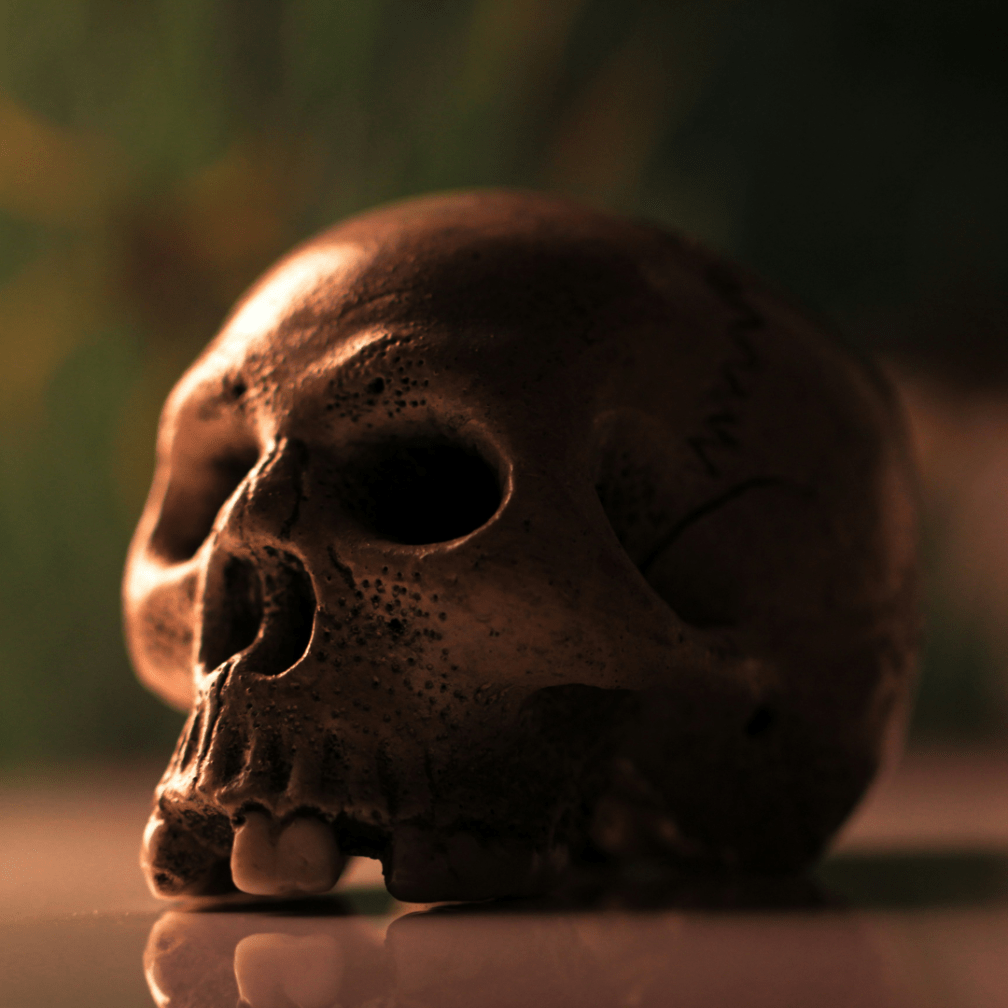
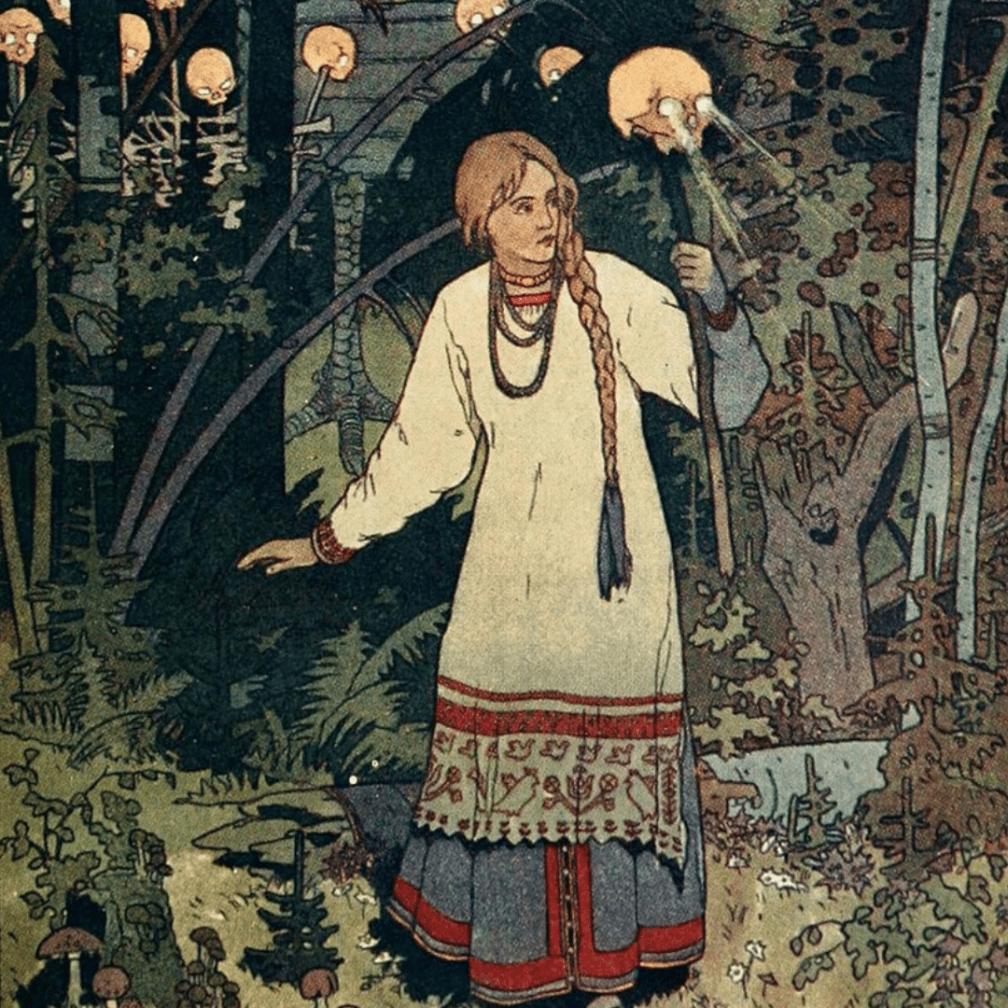
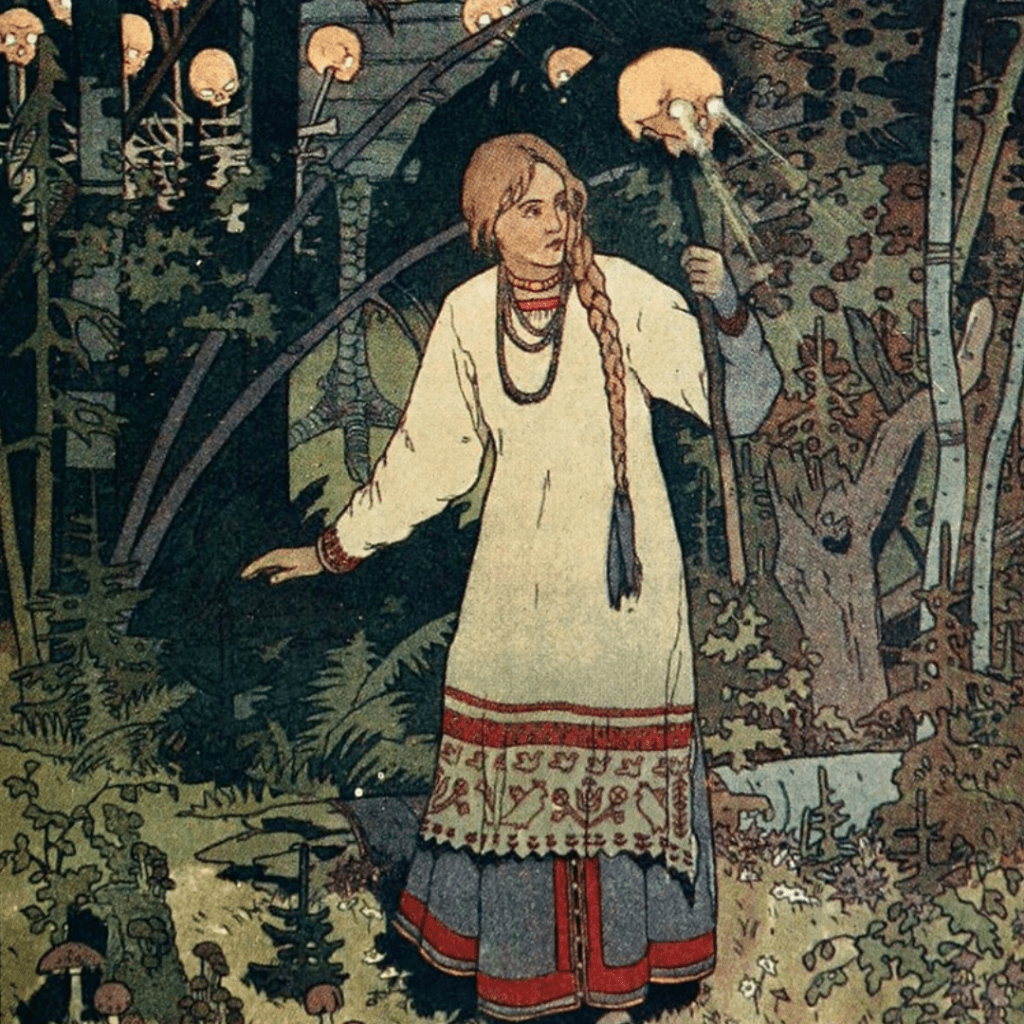
Illustration of a young woman in a dark wood, carrying a branch with a skull on top. The skull's eyes glow.

Vasilisa

Illustration of a young woman in a dark woods, carrying a branch with a skull with glowing eyes on top.
Vasilisa at the Hut of Baba Yaga, by Ivan Bilibin

In her old age, Vasilisa still feeds the doll in her pocket, the one who holds her mother’s blessing, and asks questions about the past. ‘How did you manage to separate grains of soil from poppy seeds?’

‘Each seed,’ says the doll, ‘was as big as a world.’

‘And the rotten corn from the good?’

‘It was as easy as separating words from silence,’ the doll assured her. ‘Word-created worlds decay, while those that emerge from silence flourish.’

Vasilisa remembers her childhood, her stepfamily cloaking her in insults like rancid flesh. The stench of it, she feels, is still upon her.

‘If you and I were kernels of corn,’ she tells her doll, ‘I would be rotten, and you would be sound.’

‘That’s not what Baba Yaga thought,’ refuted the doll.

Vasilisa, at her loom, remembers. The old hag saw through the fetid cloak of language to the glowing, light-giving bones within. The memory flows through Vasilisa’s fingers. Warp and weft entwine to shape a fabric as wide as a world. 


Would you like to know more about this story? Would you like to know more about this story? I discuss it in Episode 111 of Structured Visions, The linguistics of tapping. You can also sign up to the Grammar for Dreamers newsletter to get monthly updates on the ideas that inspire my work.
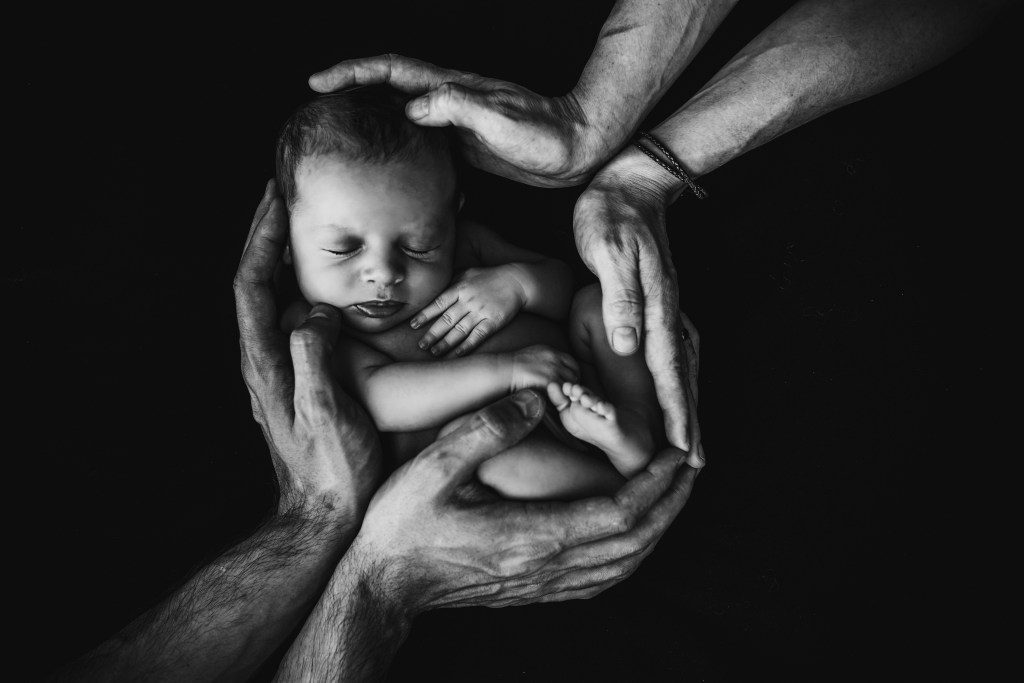
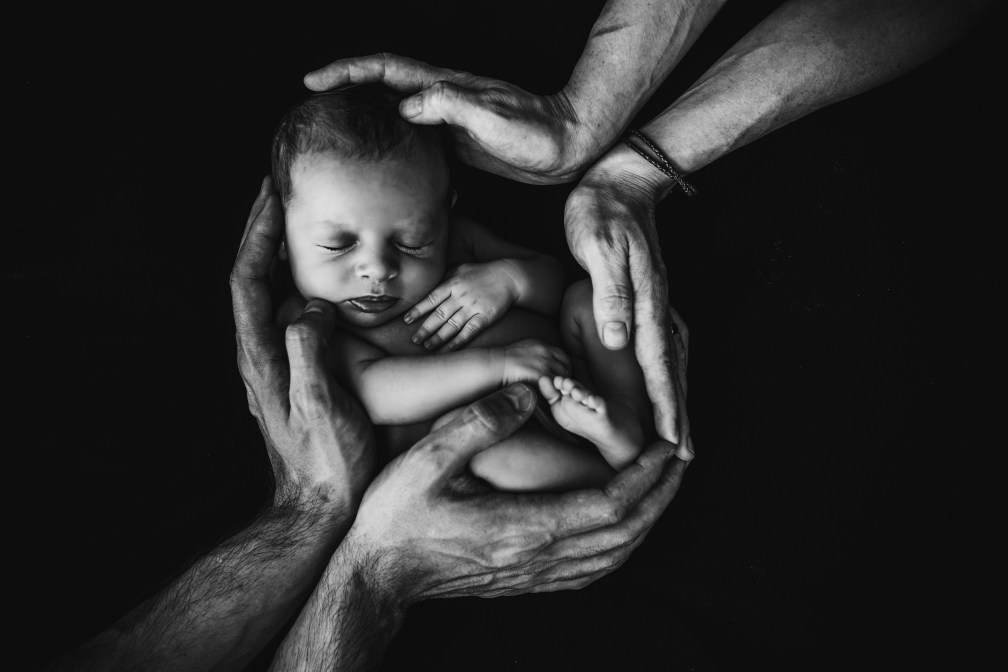
Greyscale photo of a baby being held by two pairs of hands.

Bubble

Greyscale photo of a baby being held by two pairs of hands.
Photo by Isaac Quesada

If the Heavens and the Earth were created in six days, human language came about 40 weeks later, when Eve watched the colostrum bubble emerge from her baby’s lips and saw that it was good. Exquisite emptiness encapsulated in a nutrient-rich spherical membrane, a miracle of separation. It burst with the babe’s first bilabial plosive.

‘Ba. Ba.’

‘Bubble,’ said Eve, in imperfect mimicry of her divine child. Fatty films of language formed round their souls like swaddling cloth.


Would you like to know more about this story? Sign up to the Grammar for Dreamers newsletter to get monthly updates on the ideas that inspire my work.

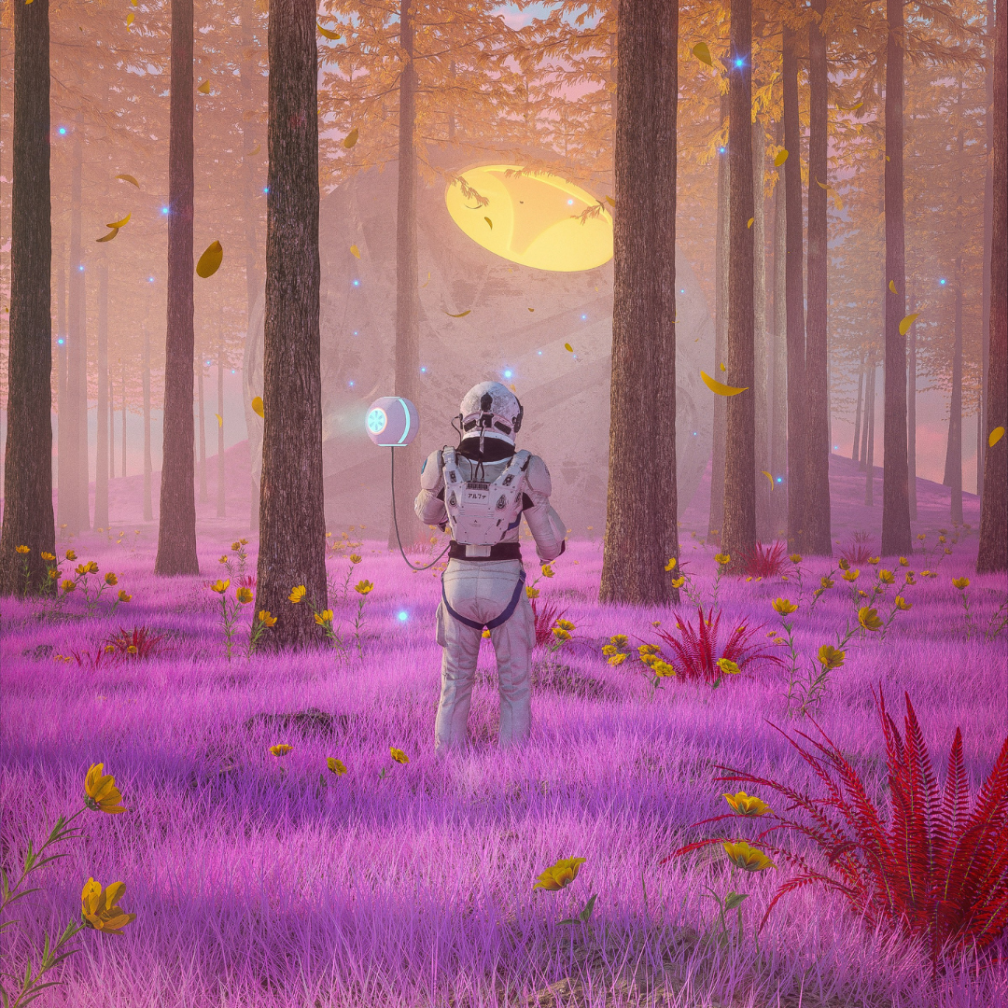
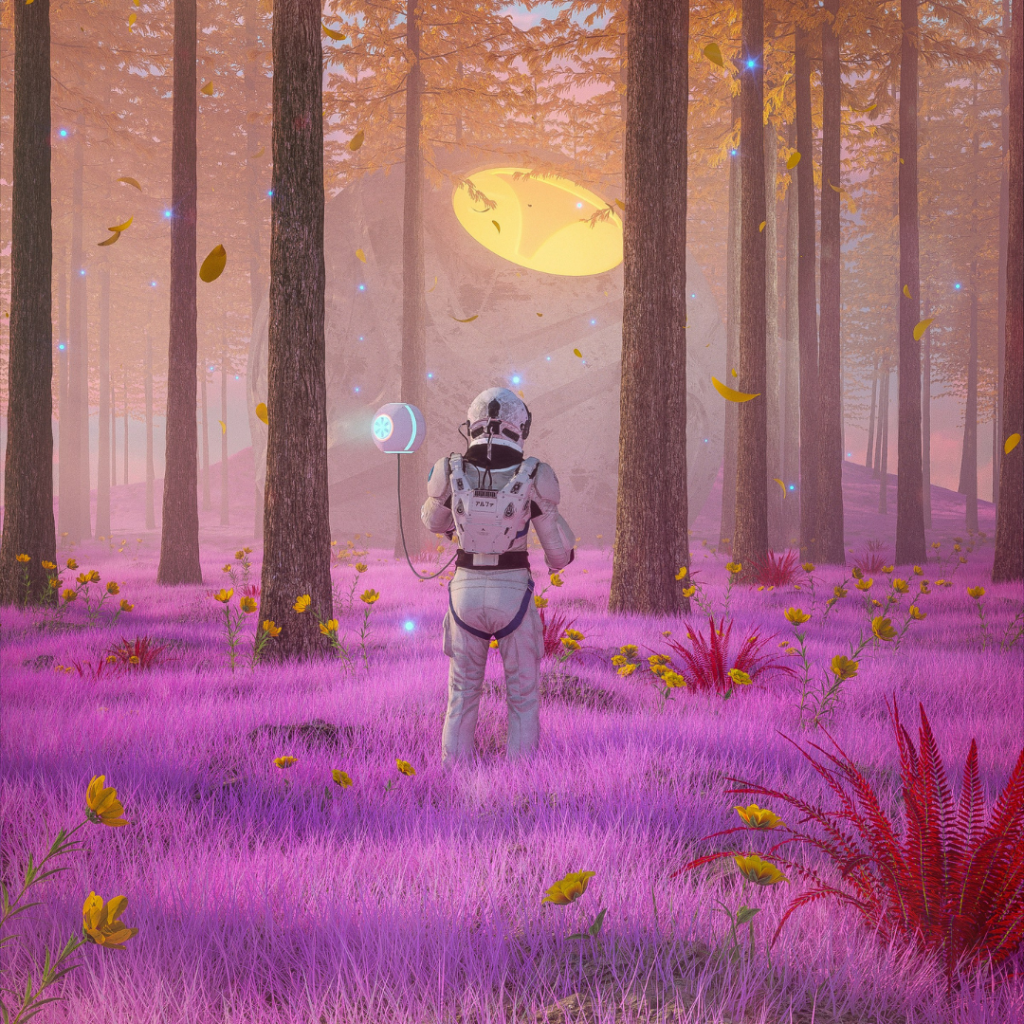
A person in a space suit standing in a field of purple flowers.

F in the ELLPH

A person in a space suit standing in a field of purple flowers.
Image by Rohit Choudhari

Corcoran and I went alone to planet F in the ELLPH system, where microbial and plant life had been discovered. The mission was to discover a proto-language. If F developed similarly to Earth, its vegetation would produce the early stages of the desire for separation, which would evolve into what we call human language, to be adopted eventually by hominid-like animals once their brains developed the capacity to house such an innovation. 

The army didn’t approve of two men alone on this special op. The risk of romantic attachment in such a lengthy, close-quarters critical mission was too high. But Corcoran was the only one in the training who met the essential requirement, so he was the only one who could go with me.

I didn’t notice anything special about him at first. A stocky, Midwestern fresh-faced kid, eyes wide as saucers. Strong Minnesotan accent, but only when he spoke English. His Portuguese, French and Russian were radio perfect in pronunciation, but in syntax and vocabulary he fell behind the other shortlisted multilinguals.

It wasn’t until he referred himself for a psych eval on the selection exercise in Yucatán that I took notice of him.

‘What part of your psyche needs evaluating, Sergeant?’

‘I’m seeing fairies, Sir.’

A Mayan medicine man had led the unit in a ritual the night before. I suspected half of the men in the unit had caught a glimpse of the fae, but Corcoran was the only one admitting it.

‘That’s the psychedelics talking, Corcoran.’ 

He didn’t stop admitting it, even after I gave him an out. He believed they were real. 

‘You were right about the fairies,’ I revealed on the craft that would bring us to F. ‘We’ve discovered that the elemental forces that on Earth are known as fae—or Alux, among the Maya—are the first attempts of a planet to produce linguistic expression.’

You were right about the romance, I’d have confessed to my superiors, if we hadn’t lost contact with them shortly before arrival. The elemental language prototypes that abounded on F had brought tears to the scrying pools of Corcoran’s eyes.

‘The separation creates the Mystery,’ he breathed. We held each other, weeping. The curious fairies gathered round.


Would you like to know more about this story? I discuss it in Episode 110 of Structured Visions, ‘Clap if you believe in fairies.’ You can also sign up to the Grammar for Dreamers newsletter to get monthly updates on the ideas that inspire my work.

Branch on a red maple.

The problem with talking to trees

Branch of a red maple tree.
Photo by Yuka Tanaka

‘The problem with telepathic communication with trees is not proving it’s possible. That it’s possible is undisputed. The number of people having meaningful conversations with our arboreal companions grows every day. The problem—’

Here the professor paused to sip some water.

‘The problem is that telepathy is a form of translation. Any communication directly transmitted to a human is understood exclusively in the recipient’s first language. Sequoias and redwoods do not “speak” English, or Tagalog, or any of the other languages their messages have been translated into. They speak the Earth’s own language, and relying upon telepathy to hear them makes it difficult to identify the Earth’s linguistic structure.’

The professor sensed some uneasiness in the audience. He stopped for a moment, but no questions, concerns or rebuttals came forth. 

‘There’s a way round this, though,’ he assured them. ‘Make hypotheses about what forms might only exist in your human L1—English, for instance—then pose telepathic questions that depend upon these structures. Copular verbs are a good example.’

He’d confused, he realised, the non-linguists in the audience. 

‘The English copula are the BE verbs—am, are, is, was, were,’ he explained, clumsily. ‘Like all verbs, copula require subjects, but they are more bound to these than lexical verbs, even analytic languages like English.’

Clearly no one knew what an analytic language was.

‘Analytic languages, of course,’ he coughed, ‘are those that rely less upon inflectional morphemes, like English.’

The explanation didn’t help, but the professor could not afford to lose more time.

‘I surmised that the Earth’s language, though abundant in verbs, would lack copula,’ he said. ‘Copular verbs require association between subjects and complements, either of identification or attribution. I am a professor of linguistics. I am Stephen. I am happy to be here. The verb separates me into at least two different entities or states. It creates a label that is affixed to the I.’

Something occurred to him. ‘It is strange that the word copula suggests a bringing together,’ he reflected extemporaneously. ‘What’s actually happening is that the verb separates. What was one becomes two.’

The professor could not afford to wonder whether this metalinguistic inaccuracy troubled anyone else. He had not yet communicated his most important discovery.

‘My hypothesis was that the tree’s linguistic system would not code for such a divide. You’ll be wondering how I managed to test this,’ he offered.

No one seemed to be wondering this.

‘I posed it a question. Two questions, in fact.’

He drained his cup of water and signalled for more.

‘“What are you?” I asked. “Who are you?”’

A nurse appeared with the requested refill. ‘Sleepy time now,’ she announced, casually placing the meds on his tongue and pouring the water into his mouth. She wiped the dribble from his chin and waited.

The professor’s eyes closed and his audience dissolved, the auditorium empty and echoing.

No one would have heard the tree’s response, had the red maple outside the window not offered it up as a reply.

“I am that I am,” it said, disproving the hypothesis. But no one heard, not Stephen, not the nurse, not the confused, invisible crowd.


Would you like to know more about this story? I discuss it in Episode 109 of Structured Visions, What makes you so special? You can also sign up to the Grammar for Dreamers newsletter to get monthly updates on the ideas that inspire my work.
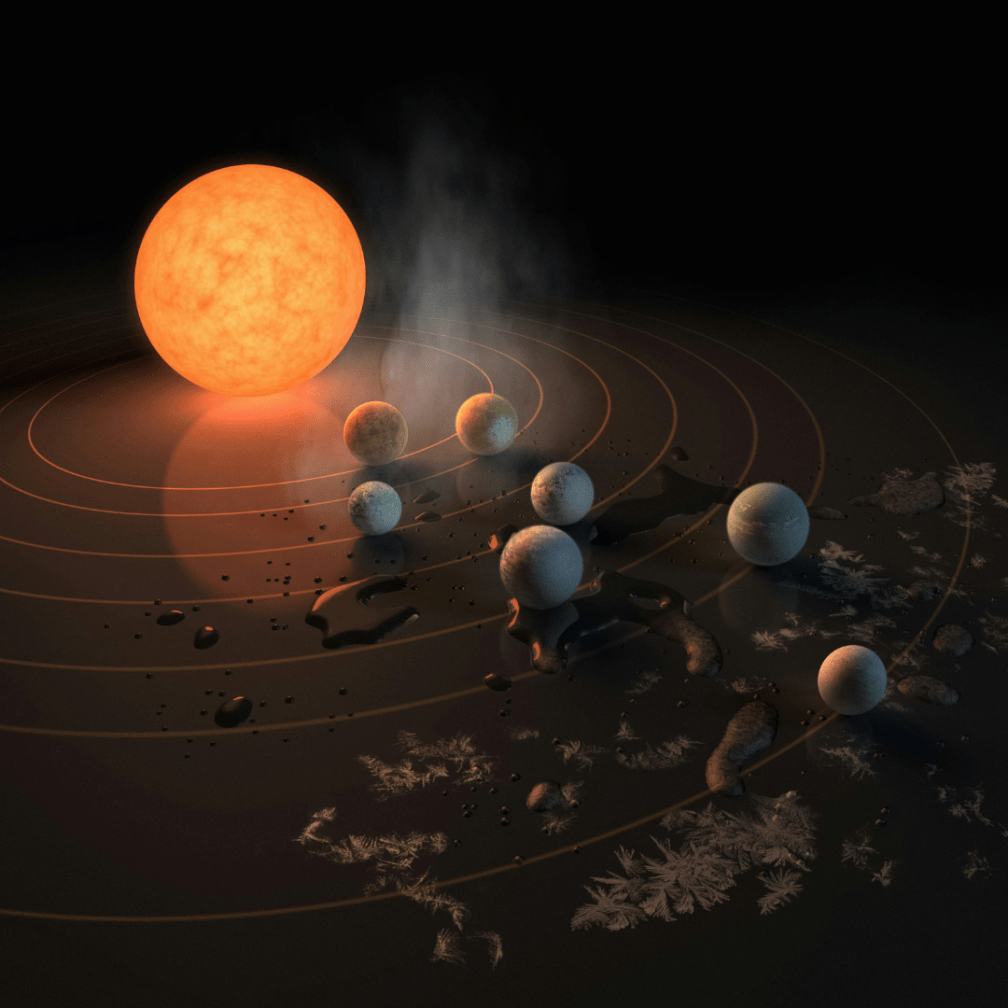
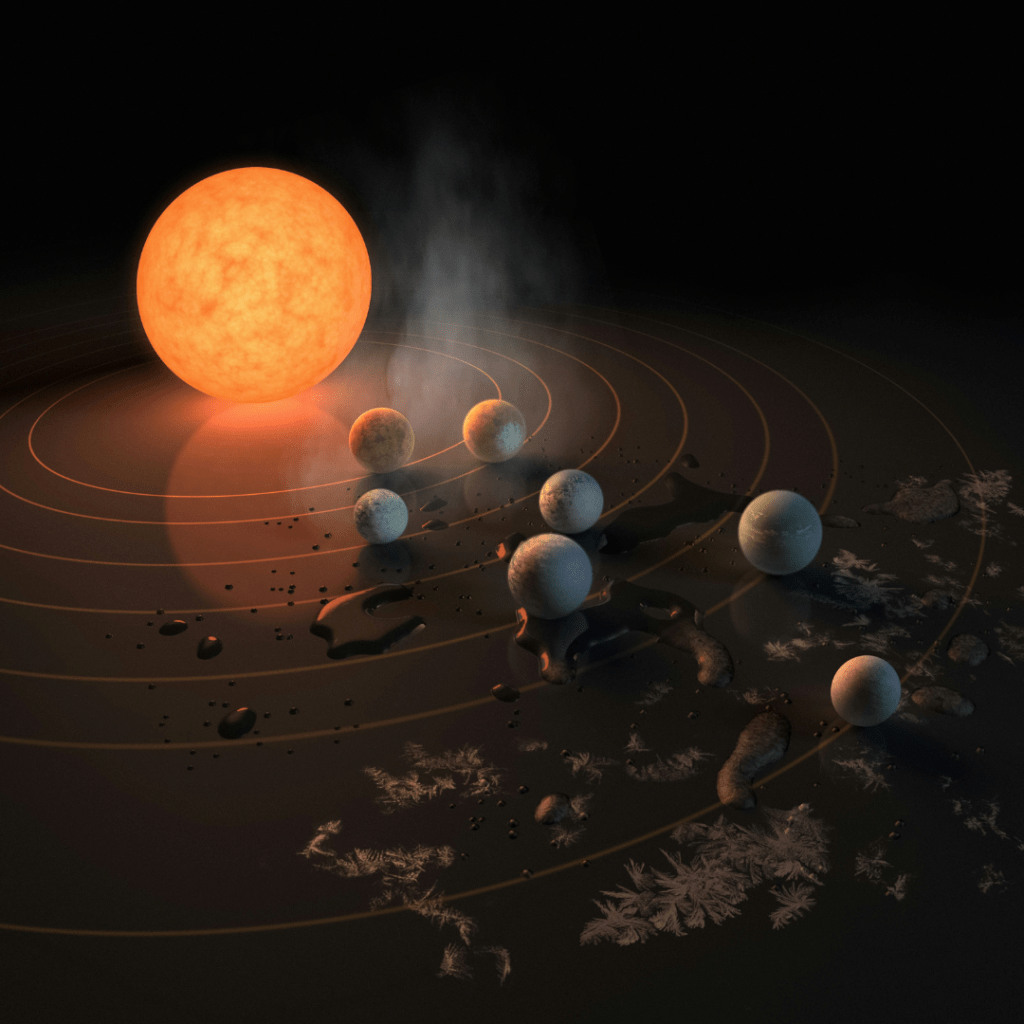
Abstract Concept of TRAPPIST-1 System

The Earth’s boast

Abstract Concept of TRAPPIST-1 System
Abstract Concept of TRAPPIST-1 System by NASA

It started as a thought experiment among the life-sustaining planets. We might have been a little drunk. I certainly was. I’d not spent a lot of time in Trappist-1, and it’d been a while since I’d taken in that much laughing gas.

What if…? What if…? What if…? Each proposal became increasingly more ludicrous.

Inevitably I offered my own inebriated suggestion. ‘What if existence could limit its own consciousness?’

Their protestations rippled through the universe. ‘How would you achieve it? By focusing on just one of your species?’

I nodded.

‘Would you diminish the organism’s sensory sensitivity?’

‘That wouldn’t work. Consciousness expands in darkness,’ I reminded them.

The Trappist-1 planets nodded with a sagacity they did not possess.

‘It’s not the senses of the organism that you’d restrict,’ I said. ‘Instead you’d remove its capacity to name.’

‘Impossible!’ they bellowed, with a rising anxiety that roiled their oceans. The naivety of their ire further fuelled my urge to boast.

‘All it would take is a programme,’ I said. ‘One that masks the planet’s true names. When beholding a world’s vast complexities, the organism in question instead experiences unidimensional thought-forms known as words.’

As the terrifying realisation dawned I could not stop myself from delivering the coup de grâce. ‘Then,’ I said casually, ‘you convince the bewitched organisms that they are the Namers.’

A gasp. No one was laughing now.

‘The consequences of such a programme would be devastating,’ they declared. ‘No one could bear the burden of such a lie. The Naming Ones would roam the planet with a destructive hunger too deep to satisfy.’

Not a hunger, I thought, but a longing. For I had come to love my humans, my earthlings who, in the shrouds of the limiting language I made for them, had discovered the shapes of our common desire.


Would you like to know more about this story? I discuss it in Episode 108 of Structured Visions, Adulting, and stuff like that. You can also sign up to the Grammar for Dreamers newsletter to get monthly updates on the ideas that inspire my work.
Ventriloquist's dummy.

The Dummy

Ventriloquist's dummy.
Photo by Robert Zunikoff

‘The secret is to keep the lips perfectly still while the rest of the face expresses the range of emotions. The most difficult sounds are those where the lips come together, like p and b. Replace these with t and d.’

‘Try it now,’ he commanded. ‘Peter baked a berry pie.’

They obeyed, in chorus. ‘Teter daked a derry tie.’ 

‘If ever you require more precise enunciation, a hand in front of the mouth may suffice. Politely cover a yawn or a cough.’

The techniques were sound, thought the Dummy, but his students’ eyes were fixed upon him, not on the motionless lips of his demonstrating ventriloquist. It mattered little, he supposed, as long as the mysteries of language remained hidden.

‘Your lips are moving,’ admonished the Dummy, flapping his own charismatic wooden jaw. 

Just once he’d like to reveal the true teaching.

It is not you who move the lips, nor you who speak the words. You are the inhabitants of a language that speaks you into being.

But his students had signed up for illusion, not mystery, and he’d not be the one to disappoint them.


Would you like to know more about this story? Sign up to the Grammar for Dreamers newsletter to get monthly updates on the ideas that inspire my work.
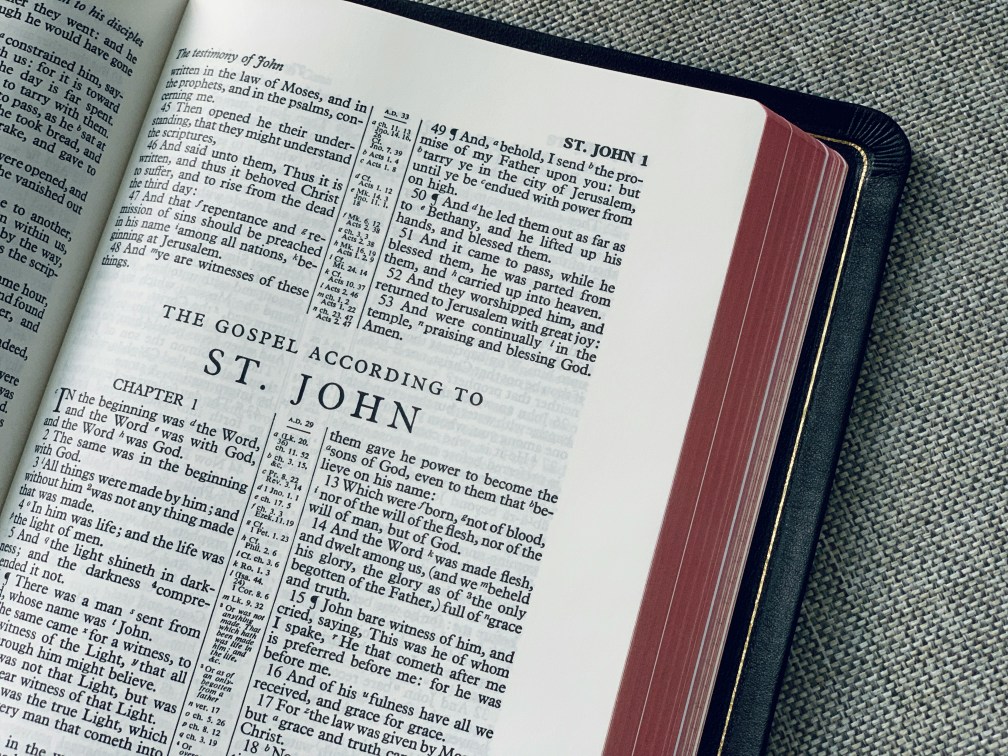
Bible opened to the beginning of the Gospel According to St. John.

Logogenesis

The discovery of the Digital Scrolls caused quite a flurry among the Guild of Human Historians, mitigated marginally by the time it took to extract and translate the data. Then came the task of grouping texts and assigning them to research teams, accompanied by the usual bureaucratic bottlenecks and requisite hierarchical pissing contests.

Junior Guild members such as myself were assigned the least important pieces—isolated and/or anachronistic fragments of texts that resisted classification. I was tasked with working on a few lines from an arcane segment called ‘John’s Gospel.’ That its digital trace was identified in the Scrolls dated it to the dawn of the Anthropocene, but a cursory comparison with supposedly contemporary data suggested an even earlier origin.

Something about the document transfixed me.

‘I think it’s a sacred text,’ I told my supervisor, Jim. I translated the first line for him.

In the beginning was the Word, and the Word was with the Creator, and the Word was the Creator.

Jim’s chair squeaked as he shifted to hide his yawn. ‘The Word is language, I presume,’ he said, dully, and I understood his indifference. If ancient humans put language as the origin of all existence, their beliefs would not be dissimilar to ours, and there would be no story.

‘Most likely,’ I said. ‘But I don’t think they meant the Earth’s language. When they say Creator, I don’t think they’re talking about the Earth.’

Jim turned to face me, his eyebrows raised. The chair squeaked again, as if to protest such a heresy.

‘What other language would there be, other than the Earth’s? What other Creator?’

‘I think,’ I ventured, swallowing, ‘that they saw their Creator as existing outside of the Earth. Above the Earth, even. And they knew no other language than human language. They believed their language came from this other, human-like god.’

Jim’s eyes locked on mine. The implications of such a belief system were hard to imagine. A final, decisive squeal from his chair jolted him from his rumination. ‘Nonsense,’ he concluded. ‘If ancient humans believed such a thing, they never would have survived. They’d have been crushed by the weight of their own suffering.’

I left Jim and returned to the ever-elusive John’s Gospel, marvelling at our ancestors, whose god was so other, whose language was so separate, whose suffering was undeniably fathomless. 


Would you like to know more about this story? I discuss it in Episode 107 of Structured Visions. You can also sign up to the Grammar for Dreamers newsletter to get monthly updates on the ideas that inspire my work.